
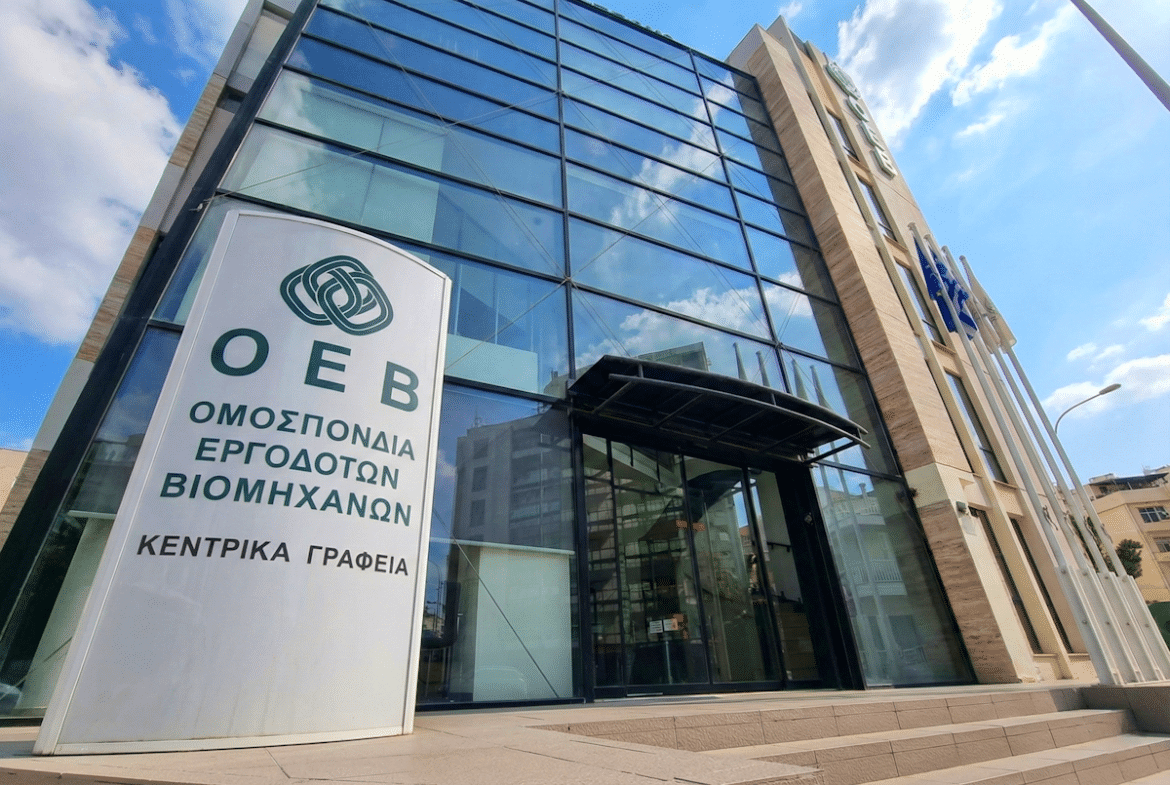
Source: cyprus-mail.com
The Cypriot economy has shown strong resilience despite rising geopolitical uncertainty, but high energy costs, delayed reforms and labour shortages continue to limit its growth prospects, according to Employers and Industrialists Federation (Oev) president George Pantelides.
Speaking to Politis ahead of the federation’s annual general meeting on Tuesday, Pantelides said the economy had maintained positive growth rates, stabilised public finances and strengthened investment activity, showing that Cyprus’ economic model had adapted to a demanding international environment.
He said a decisive role in this resilience had been played by “the flexibility and adaptability of Cypriot enterprises” and the gradual diversification of the economy into higher value-added sectors, including services, technology and energy.
However, he warned that the positive picture should not obscure the structural weaknesses still weighing on the country’s prospects.
“High energy costs remain one of the most significant weaknesses, directly affecting the operating costs of businesses and their competitiveness,” Pantelides said, adding that dependence on imported raw materials also leaves the economy exposed to external shocks.
At the same time, he said the delay in implementing key reforms, including faster justice delivery, reduced bureaucracy and the full digitalisation of the state, continues to burden the business environment.
“An equally important issue is the lack of human resources in critical sectors of the economy,” he added.
Turning to developments in the Middle East, Pantelides said the crisis had become one of the main sources of uncertainty for Cyprus, both because of the island’s geographical proximity and its trade links with the wider region.
The impact, he said, is multifaceted, affecting energy costs, tourism, supply chains and inflationary pressures.
On tourism, Pantelides said concern was justified, as stability and a sense of security remain key factors when travellers choose a destination.
“Despite the fact that bookings are down compared to the corresponding period last year, Cyprus maintains an image of a safe and reliable destination, which works positively,” he said.
He added that the situation must be assessed continuously, while Cyprus should proactively design new initiatives to strengthen its position.
“The traditional methods of promoting the island should be evaluated and new innovative forms of promoting the country should be implemented,” Pantelides said.
At the same time, he said the crisis could also create opportunities, with Cyprus able to function as “a hub of business stability in the region” and establish itself as an international financial centre, attracting investment and activities seeking a safe environment.
Elsewhere, Pantelides said the cost of energy is “the most serious challenge to the competitiveness of the Cypriot economy”.
He noted that Cyprus remains among the most expensive electricity markets in the European Union because of long-standing distortions and the absence of a coherent, targeted energy policy.
Oev, he said, supports a network of targeted interventions, starting with the effective operation of the competitive electricity market, without distortions, so that the benefits of competition are passed on to consumers.
He also said the development of energy storage infrastructure, at both central and decentralised level, must be accelerated to allow better use of renewable energy sources and reduce cuts that ultimately burden the consumer.
Pantelides said the completion of onshore natural gas infrastructure, including the floating storage and regasification unit (FSRU) Prometheas, is also crucial to enable the transition to a more efficient, economically competitive and environmentally improved fuel.
Beyond the immediate issues of tourism and regional instability, Pantelides emphasised that the strategic promotion of the island must transition from traditional marketing to innovative digital and experiential campaigns.
He argued that Cyprus has a unique opportunity to brand itself as a regional hub of stability, attracting companies and investment funds looking for a secure European jurisdiction in a volatile Middle Eastern landscape.
Energy remains the most substantial barrier to this vision, as the Oev president described high costs as a “suffocating pressure” on the competitiveness of the Cypriot economy.
The federation is calling for a radical overhaul of the electricity market to ensure that competition actually benefits the end consumer rather than being hindered by long-standing systemic distortions.
One of the most critical components of this energy strategy is the rapid development of large-scale energy storage infrastructure, which is necessary to prevent the current wastage of renewable energy production.
Pantelides noted that without storage, green energy “cuts” will continue to burden the consumer, making the transition to a low-carbon economy more expensive than it needs to be.
The completion of the Prometheas FSRU unit and related onshore natural gas infrastructure is seen as a non-negotiable step toward providing a cleaner and cheaper transitional fuel for the island.
Furthermore, the widespread adoption of smart meters and dynamic pricing would empower businesses to manage their consumption patterns more effectively, aligning usage with lower-cost production periods.
Turning to the social sphere, the Oev president took a firm stance on defending the voluntary nature of industrial relations, which he considers a fundamental pillar of Cyprus’s economic success.
He expressed strong opposition to any mandatory legislative interventions in collective bargaining, arguing that the industrial relations code must be respected as a product of free negotiation between social partners.
While the EU Directive on adequate minimum wages requires an action plan to increase collective agreement coverage, Pantelides clarified that this does not necessitate declaring agreements universally applicable or making union membership compulsory.
Such moves would, in his view, violate the autonomy of employers and employees to negotiate terms that reflect the specific financial realities of their respective sectors.
Regarding the “second pillar” of retirement, he acknowledged that provident funds provide essential social protection but warned that making them mandatory would create unsustainable costs for small and medium-sized enterprises.
Instead, Oev advocates for a system based on tax and financial incentives to encourage voluntary participation, ensuring that pension reform does not inadvertently stifle business viability.
The current tripartite funding model of the social insurance fund (shared by employers, employees, and the state) is deemed sustainable until 2080, though Pantelides pointed out that civil service pensions remain a heavy burden on the public budget.
He argued that a holistic approach to pension reform is required to improve retirement outcomes without damaging the “strength of the real economy” or increasing the national debt.
On the issue of the chronic labour shortage, Pantelides stressed that the mismatch between the education system and market needs is a significant drag on productivity and national growth.
He called for coordinated and realistic interventions to utilise the domestic workforce while simultaneously streamlining the bureaucratic hurdles for hiring third-country nationals.
The federation believes that the green and digital transitions are not just regulatory obligations but opportunities to gain a long-term competitive edge in the global market.
However, for SMEs to survive this shift, they require targeted financial tools and guidance to manage the high upfront costs of digital tools, cybersecurity, and new equipment.
The digitalisation of the state remains a primary demand, as businesses still struggle with redundant data requests and a lack of interoperability between various government departments.
Pantelides concluded that the message for the upcoming annual general meeting is one of urgency and consistency, moving past the diagnostic phase and into the direct implementation of reforms.