
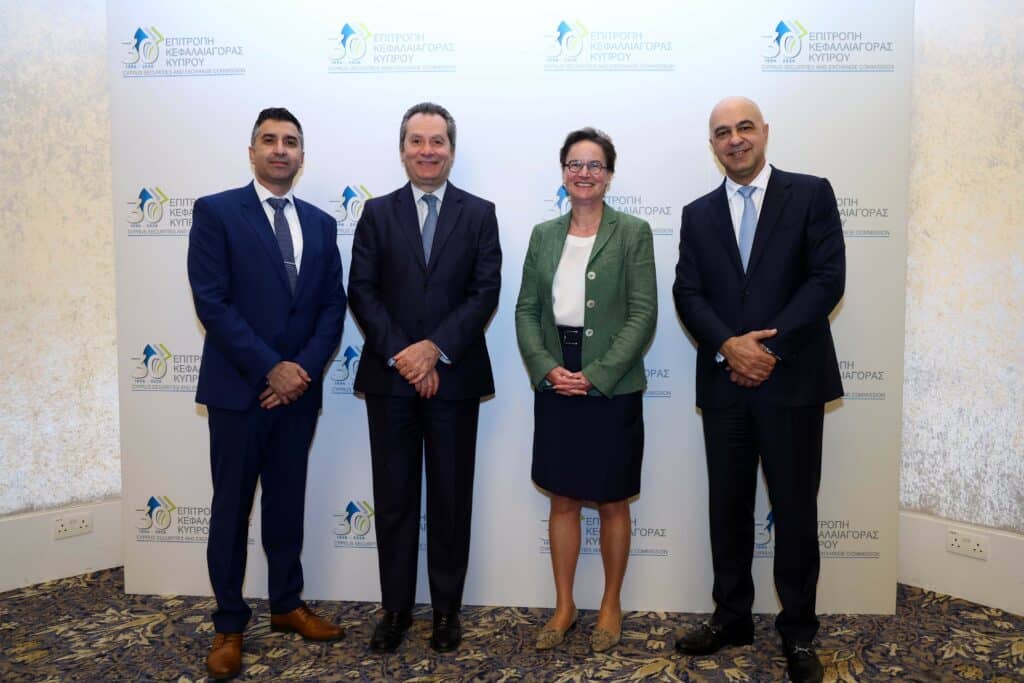
Source: in-cyprus.philenews.com
Verena Ross, European Securities and Markets Authority (ESMA) President, and Cyprus Securities and Exchange Commission Chairman George Theocharides on the push for stronger EU supervision, investor protection, technological innovation, and Cyprus’s role in the new architecture of European capital markets.
As European financial markets grow ever more cross-border, complex, and technology-driven, the question of oversight has moved back to the top of the European agenda. The integration of capital markets, rebuilding investor confidence, protection against emerging and familiar risks, and the need for a common supervisory framework are all central to the debate about the future of the European economy.
Against this backdrop, interviews with ESMA President Verena Ross and Cyprus Securities and Exchange Commission (CySEC) Chairman George Theocharides illuminate two complementary dimensions of the same challenge: the need for more consistent and effective supervision at EU level, and the role that smaller member states like Cyprus can play within a more integrated European financial landscape.
Ross underlines that ESMA’s mission rests on three pillars: investor protection, ensuring orderly markets, and safeguarding financial stability across the EU. In an environment where firms operate across borders and innovations such as crypto-assets and artificial intelligence are developing rapidly, divergent national interpretations of the same rules can create gaps, inconsistencies, and fragmentation. Stronger EU-level supervision, she stresses, is not about replacing national authorities but complementing their work where a common European approach offers clear added value.
Theocharides approaches the question from Cyprus’s position as a smaller member state and financial centre. He argues that Cyprus can contribute constructively to shaping a more balanced and inclusive European market, one in which the benefits of integration are shared across all member states. CySEC, he says, supports further market harmonisation and has built a supervisory model grounded in risk-based analysis, data-driven review, thematic inspections, and technology-enabled oversight.
The thread running through both interviews is the search for balance: between national and European supervision, between innovation and necessary safeguards, between market development and investor protection. Artificial intelligence, crypto-assets, digital resilience, and financial literacy are no longer future challenges — they are immediate priorities for regulators.
For Cyprus, this conversation carries particular weight. A more integrated European capital market could widen local firms’ access to investment capital, strengthen the credibility of the financial sector, and open new opportunities for investors. At the same time, it demands higher standards of compliance, supervisory preparedness, and awareness. In this new environment, trust has become the markets’ most valuable asset.
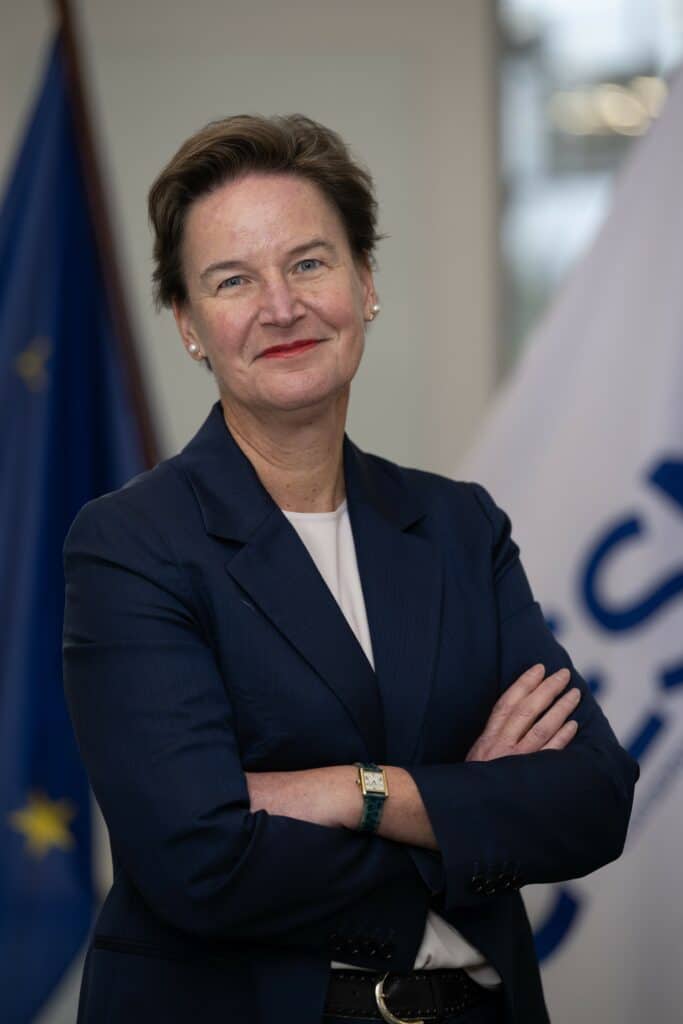
What is ESMA’s role in EU financial markets, and why is there now a push to strengthen EU-level supervision and give ESMA more decisive powers?
ESMA’s role is to protect investors, ensure orderly markets, and safeguard financial stability across the EU. We fulfil that mission by supporting the development of the EU’s legislative framework, exercising direct supervision over key market participants, and promoting supervisory convergence alongside national competent authorities such as CySEC. This helps ensure that EU rules are applied consistently across the Union and that European capital markets remain attractive, safe, and trustworthy for citizens and market participants alike.
Today, markets are increasingly cross-border and interconnected. Yet divergent national interpretations of the same rules can create gaps and inefficiencies. Firms operating in more than one country may face a fragmented landscape with up to 27 different supervisory approaches. Fast-moving innovations such as crypto-assets and artificial intelligence are inherently cross-border in nature.
Stronger EU-level supervision of market participants with cross-border activities helps reduce that fragmentation, delivers consistent outcomes, and enables a genuinely pan-European approach to risk assessment. The aim is not to replace national authorities, but to complement their work where EU-level oversight offers clear added value.
For smaller member states like Cyprus, a single European capital market means greater scale and new opportunities. More integrated EU markets make it easier for local businesses to access a wider investor base beyond their domestic market.
The European Commission’s Markets Union and Supervision Package aims to create unified, credible, and attractive capital markets. ESMA welcomes this proposal and is committed to supporting its successful implementation.
Investor protection is at the heart of ESMA’s mission. What are the main risks to investors you are most focused on today, and how is ESMA working with national supervisors to deliver more consistent protection and build trust across the EU?
Investor protection sits at the core of everything ESMA does. Our primary goal is to ensure that investors across Europe have access to safe and attractive markets. At the same time, we are working to make investing in Europe simpler. Rather than burdening investors with complex procedures and impenetrable disclosures, we want to promote clearer, more proportionate requirements that support well-informed decision-making.
We work closely with national competent authorities to ensure consistent investor protection across the EU. The goal is straightforward: investors should enjoy the same high level of protection regardless of where they are based or where they invest within the Union.
New technologies, including AI, are changing how investment services and markets operate. How does ESMA see the balance between innovation and safeguards?
Innovation, including the use of artificial intelligence, can deliver real benefits for investors and markets — from improved efficiency to more effective risk management. ESMA supports innovation, provided it develops within a robust regulatory and supervisory framework that ensures new technologies work in the interests of market participants and European citizens.
Our approach is technology-neutral, which means existing rules on investor protection and market integrity apply regardless of whether decisions are taken by humans or supported by algorithms.
We focus on ensuring strong governance, transparency, and accountability in the use of AI. ESMA also works closely with supervised entities to assess their cybersecurity and digital resilience frameworks, including how they are adapting to technological developments such as artificial intelligence.
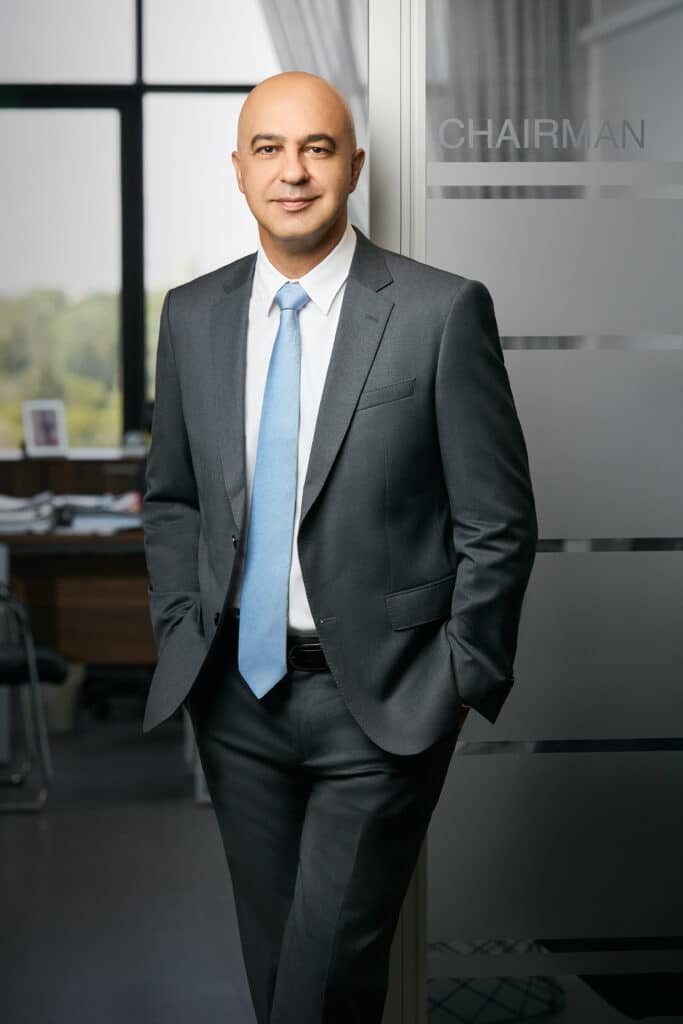
What does stronger EU-level supervision mean in practice for smaller member states like Cyprus, and for Cypriot investors more generally?
Cyprus brings to the European Union the perspective of a smaller member state and financial centre, and is well placed to play a constructive role in promoting balance and inclusiveness — ensuring that the benefits of market integration are shared across all member states. A truly effective Single Market must be built on a level playing field, and Cyprus’s role during the presidency of the Council of the European Union reflects our commitment to contributing actively to Europe’s strategic direction: strengthening competitiveness, supporting innovation, and reinforcing the Union’s position in an increasingly complex global environment.
We believe the EU has correctly identified the key building blocks needed to develop a more unified financial market structure under the Savings and Investments Union (SIU). European citizens stand to benefit from a more harmonised marketplace where products and instruments are assessed on a consistent basis across the Union. CySEC therefore welcomes most of the proposed changes, which aim to further harmonise markets, and is actively guiding its regulated entities to ensure full compliance with these evolving requirements.
CySEC has developed a robust, risk-based supervisory model supported by data-driven analysis, thematic reviews, and technology-enabled oversight, allowing for more effective supervision of a complex and continuously evolving financial sector.
In a world shaped by geopolitical uncertainty and rapid technological change, building a resilient, competitive, and open European financial system is not only a policy priority — it is a necessity.
Alongside these EU-level efforts, how does CySEC ensure that Cypriot investors are aware of the risks when they invest, whether in Cyprus or elsewhere in Europe?
Alongside broader EU-level initiatives, CySEC places strong emphasis on ensuring Cypriot investors understand the risks associated with investing in financial markets, whether at home or elsewhere in Europe.
CySEC regularly publishes announcements, warnings, and educational material to help investors better understand financial products, emerging risks, and the importance of making informed decisions. Particular attention is given to higher-risk areas, including crypto-assets and online investment activity, where risks can evolve rapidly.
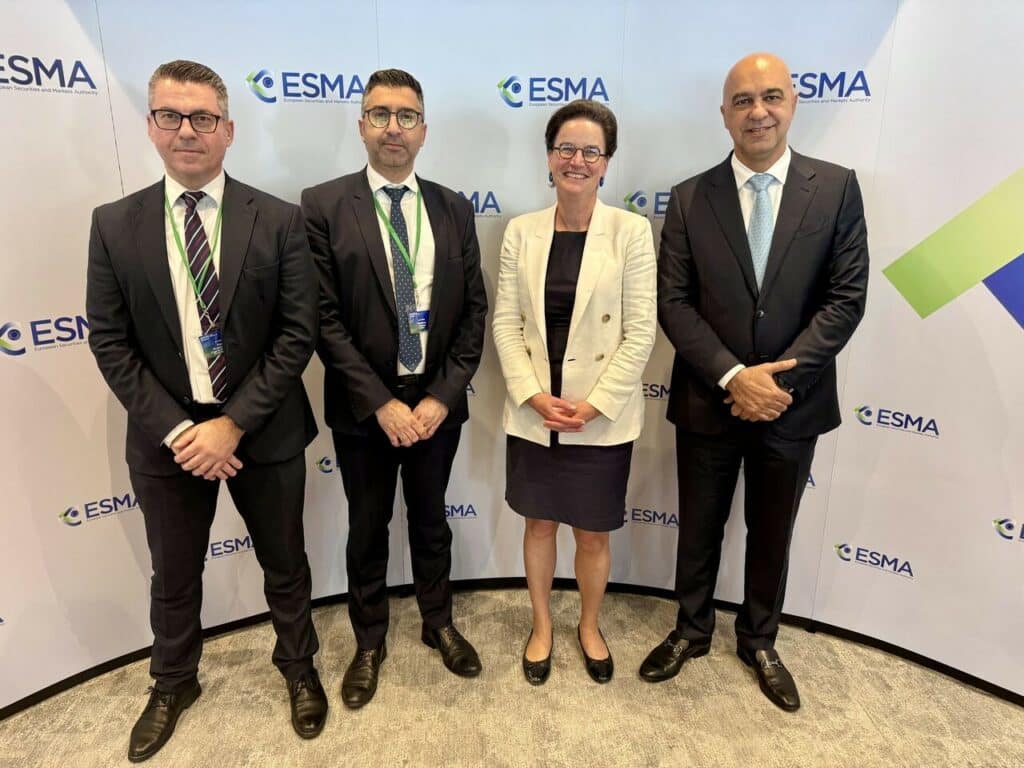
From a national perspective, what challenges and opportunities do you see in the use of new technologies in investment services? Where does Cyprus stand today, and what steps is CySEC taking locally?
New technologies create significant opportunities for investment services, particularly in terms of efficiency, accessibility, innovation, and cross-border market participation. At the same time, they bring new challenges in cybersecurity, operational resilience, investor protection, and the growing complexity of digital financial products and services.
Cyprus has made significant progress in adapting to this evolving environment. CySEC has overseen the implementation of important regulatory developments across both traditional financial markets and emerging sectors such as crypto-assets under MiCA. We have also strengthened our focus on digital resilience and supervisory preparedness as European markets become increasingly integrated and technology-driven.
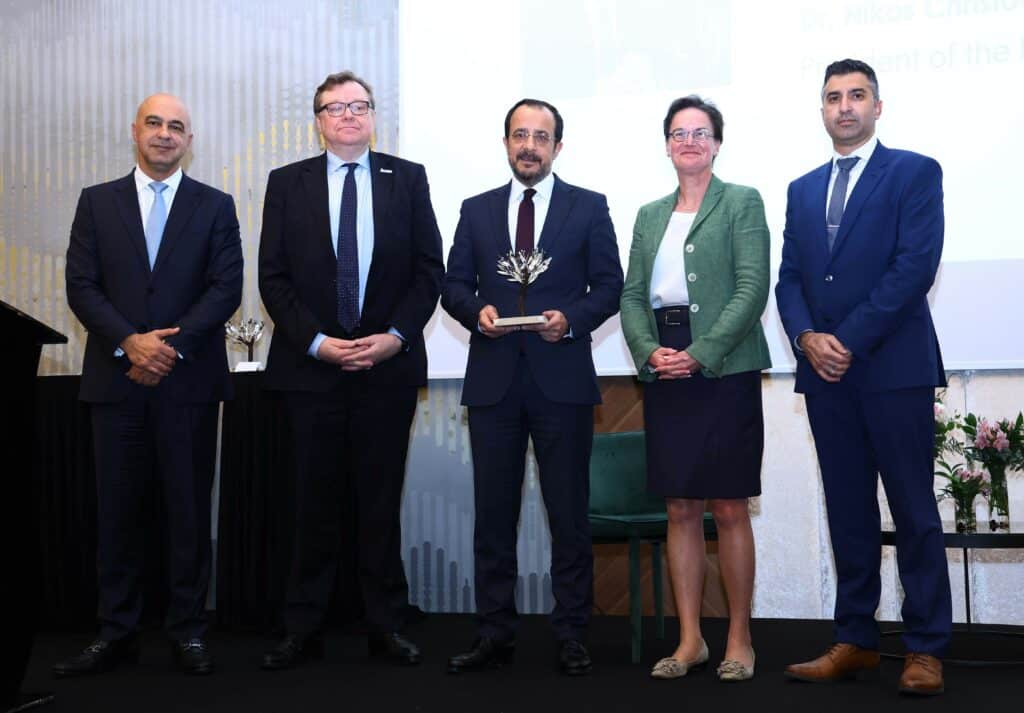
These issues featured prominently at the recent event marking CySEC’s 30th anniversary in supervision, where the discussion centred on technological innovation, supervisory adaptation, and building the resilience of European financial markets in a continuously changing environment.
CySEC has adapted its supervisory approach to emerging areas including digital finance, fintech, and crypto-assets, seeking the right balance between supporting innovation and managing risk. We are also placing growing emphasis on financial literacy and investor education, so that investors are better equipped to understand both the opportunities and the risks that new technologies bring.
CySEC has additionally developed its own Regulatory Sandbox as part of its commitment to constructive engagement with fintech innovators. This supports responsible experimentation in areas such as blockchain, distributed ledger technology (DLT), artificial intelligence, RegTech, and digital asset infrastructure, while ensuring that local supervision remains effective and aligned with the broader EU regulatory framework.