
Source: cyprus-mail.com
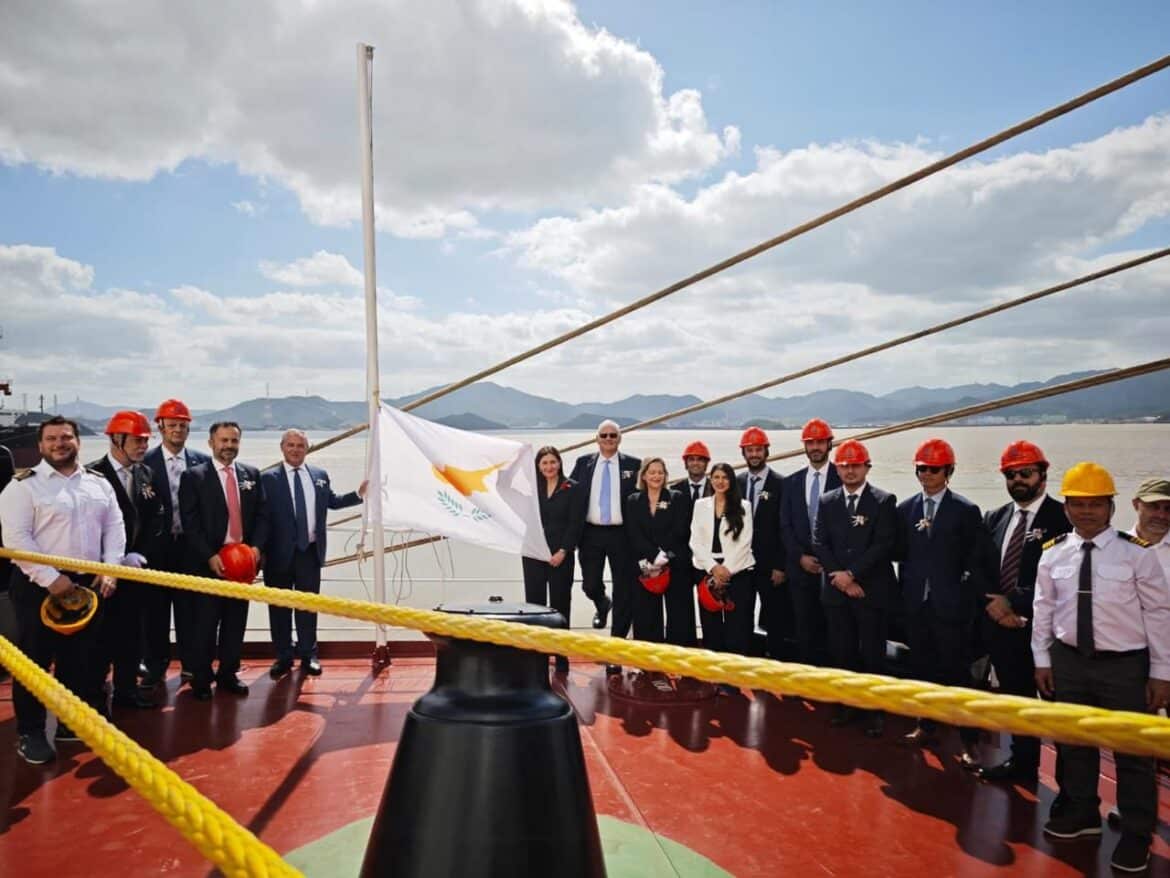
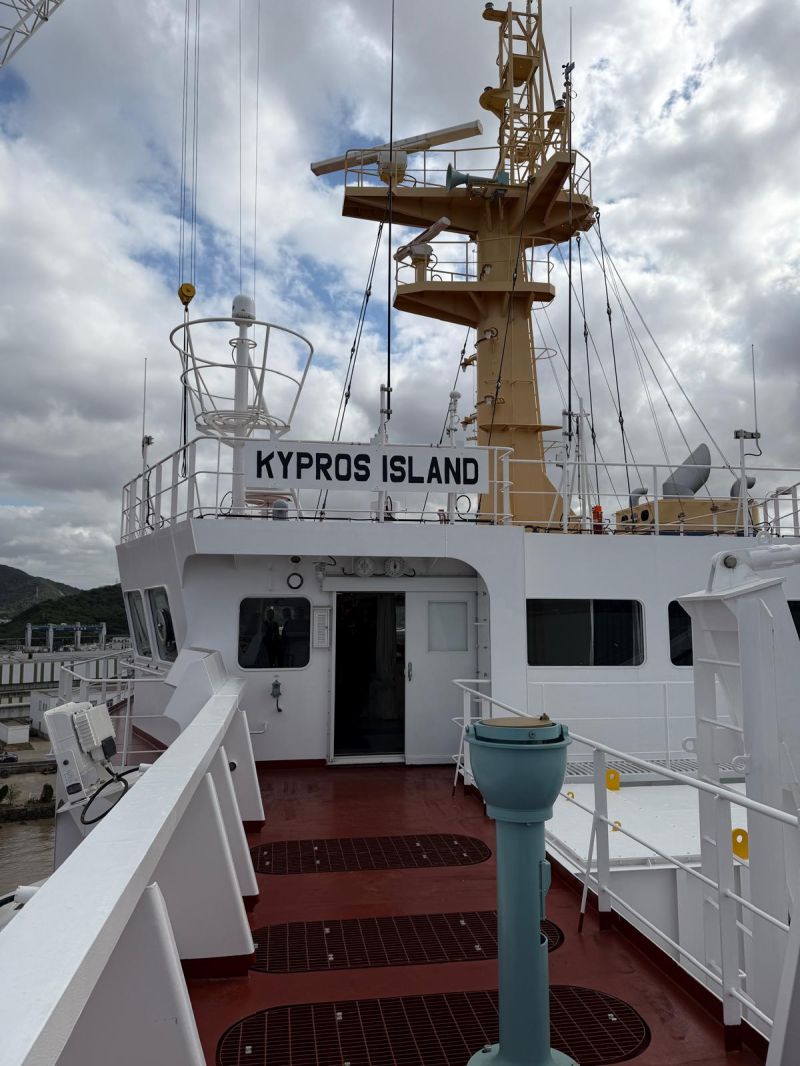
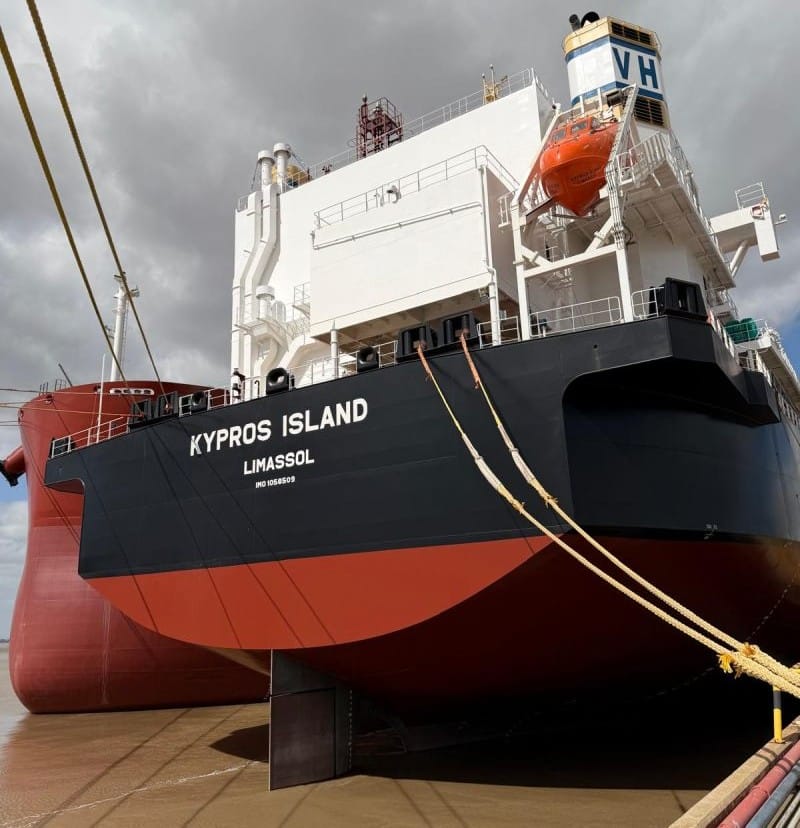
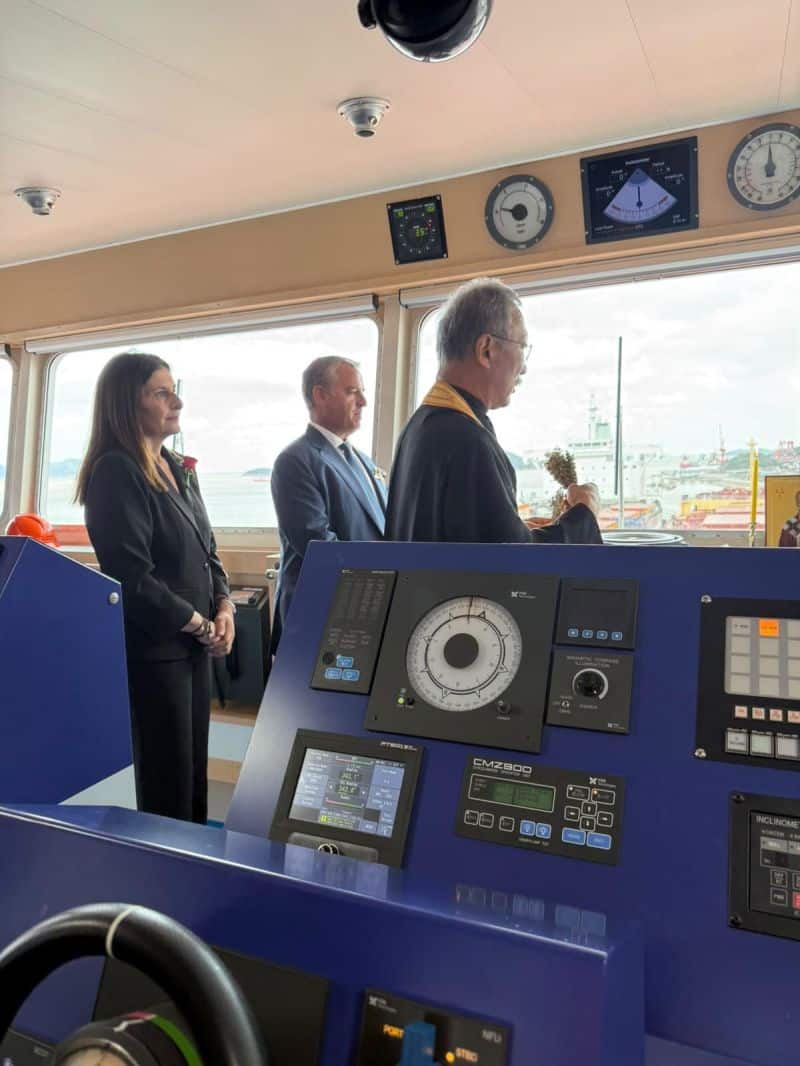
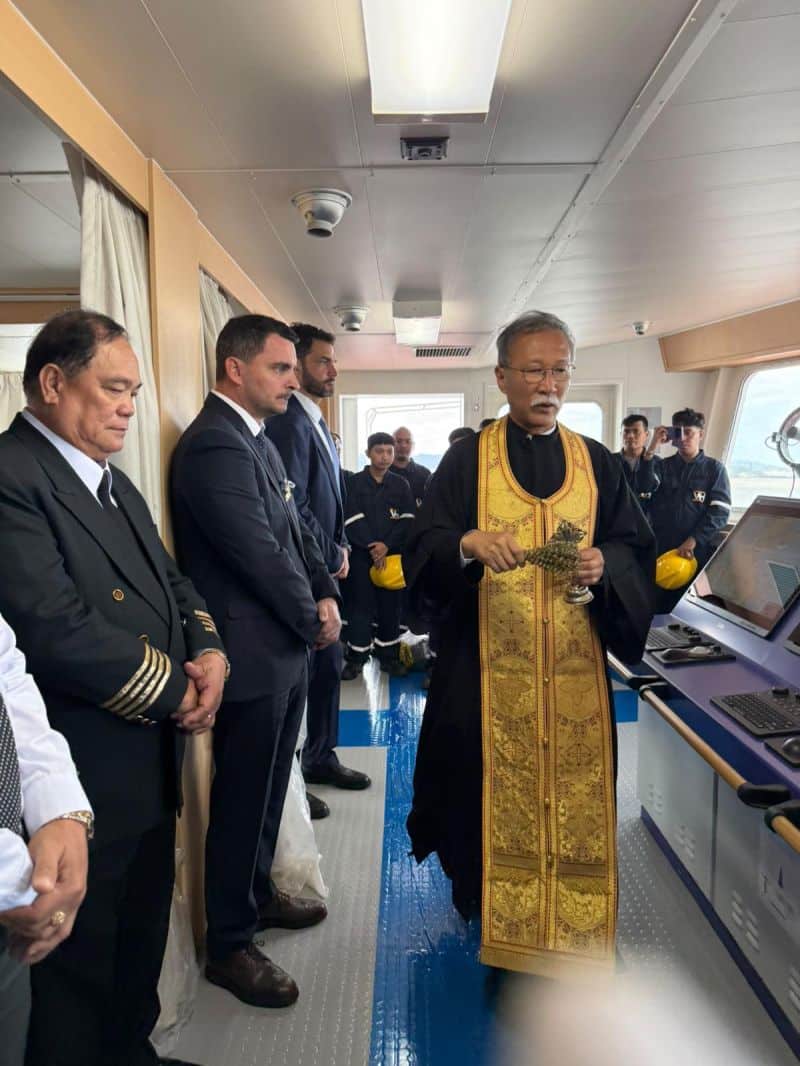
Safe Bulkers has taken delivery of Kypros Island, the first methanol dual-fuel bulk carrier to join the Cyprus register, after Shipping Deputy Minister Marina Hadjimanolis named the new vessel at a shipyard in China.
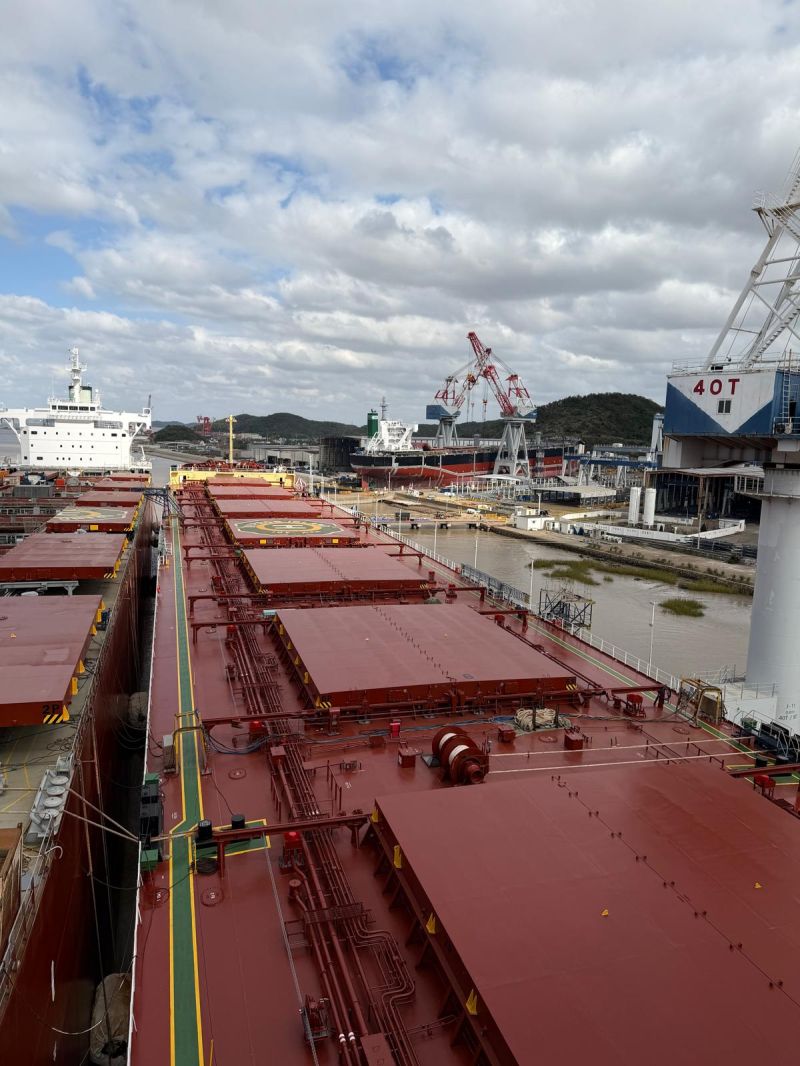
Built by Japan’s Tsuneishi Shipbuilding at its Zhoushan yard, the 81,200-deadweight-tonne Kamsarmax is also the first ship of its kind to enter Safe Bulkers’ fleet. Although designed to carry everyday dry bulk cargoes such as grain, iron ore and coal, it can operate on either methanol or conventional marine fuel.
Its delivery gives Cyprus a first foothold in this emerging part of the dry bulk market, where alternative-fuel vessels remain far less common than in container shipping. For Safe Bulkers, meanwhile, it puts a sizeable investment in cleaner ship technology to work.
The project has close ties to Limassol. Back in October 2023, Tsuneishi announced a two-ship order involving Safe Bulkers and Japanese trading group Itochu Corporation. The contracts for the methanol-fuelled Kamsarmax carriers were signed at Safe Bulkers Tower in the city, with delivery envisaged between the second half of 2026 and the first half of 2027.
Kypros Island was launched on June 25 at Tsuneishi’s shipyard on Xiushan Island, near Zhoushan. The newbuild subsequently underwent preparations for delivery, with sea trials scheduled for October 11 to 16, before its formal naming by Hadjimanolis during her working visit to China.
The ship’s design goes beyond its choice of fuel. Tsuneishi has modified the hull to improve efficiency and introduced aerodynamic features aimed at reducing wind resistance. A large methanol tank has also been placed towards the stern, allowing the vessel to retain much of the cargo capacity for which the Kamsarmax class is known.
A second methanol dual-fuel Kamsarmax is expected to follow in January 2027. Together, the two vessels form part of a wider renewal programme through which the company is replacing older tonnage with ships designed to consume less fuel and meet more demanding environmental standards.
In its latest published fleet update, covering July 24, Safe Bulkers reported 46 vessels with combined capacity of about 4.5 million deadweight tonnes, alongside an orderbook of ten newbuildings scheduled for delivery through 2029. It had also completed environmental upgrades on 25 existing ships, including measures to reduce resistance in the water and improve energy efficiency.
The arrival of Kypros Island comes as Cyprus seeks to draw more modern tonnage to its flag. Hadjimanolis has spent much of October meeting shipowners, shipbuilders and maritime executives in Japan and China, promoting the register and the wider services offered by the island’s shipping industry.
At a reception in Tokyo on October 15, she said the Cyprus register had grown by 27 per cent since September 2023, reaching its highest level in 25 years. The addition of the Safe Bulkers vessel therefore comes at a time when the government is pressing both to expand the flag and to attract newer, more efficient ships.
There is a regulatory reason for that push, too. The European Union’s FuelEU Maritime rules, which began applying in January 2025, gradually tighten the limits on the greenhouse gas intensity of energy used by ships calling at European ports. Shipowners are also preparing for further international requirements as discussions continue at the International Maritime Organisation (IMO).
However, methanol is not automatically a low-carbon answer. Although it can reduce certain air pollutants, its overall climate benefit depends on how the fuel is produced. Renewable methanol offers a much stronger emissions case than methanol made from fossil fuels, while availability and cost remain hurdles for operators.
That distinction matters as shipping companies decide where to invest. Kypros Island gives Safe Bulkers the flexibility to use methanol as cleaner supplies become available, without relying on a single fuel today. And for Cyprus, it brings that shift into the national fleet under a name that leaves little doubt about the vessel’s connection to the island.