
Source: cyprus-mail.com
Artificial intelligence can produce convincing messages and imitate empathy, but it cannot replace the trust and personal relationships that underpin the shipping industry, according to WISTA Cyprus vice-president Maria Theodosiou, who has questioned the growing reliance on technology for human communication.
Writing on her personal platform, Theodosiou reflected on a contradiction she sees emerging in modern leadership, where businesses invest considerable effort in developing communication and emotional intelligence while increasingly allowing AI to speak on their behalf.
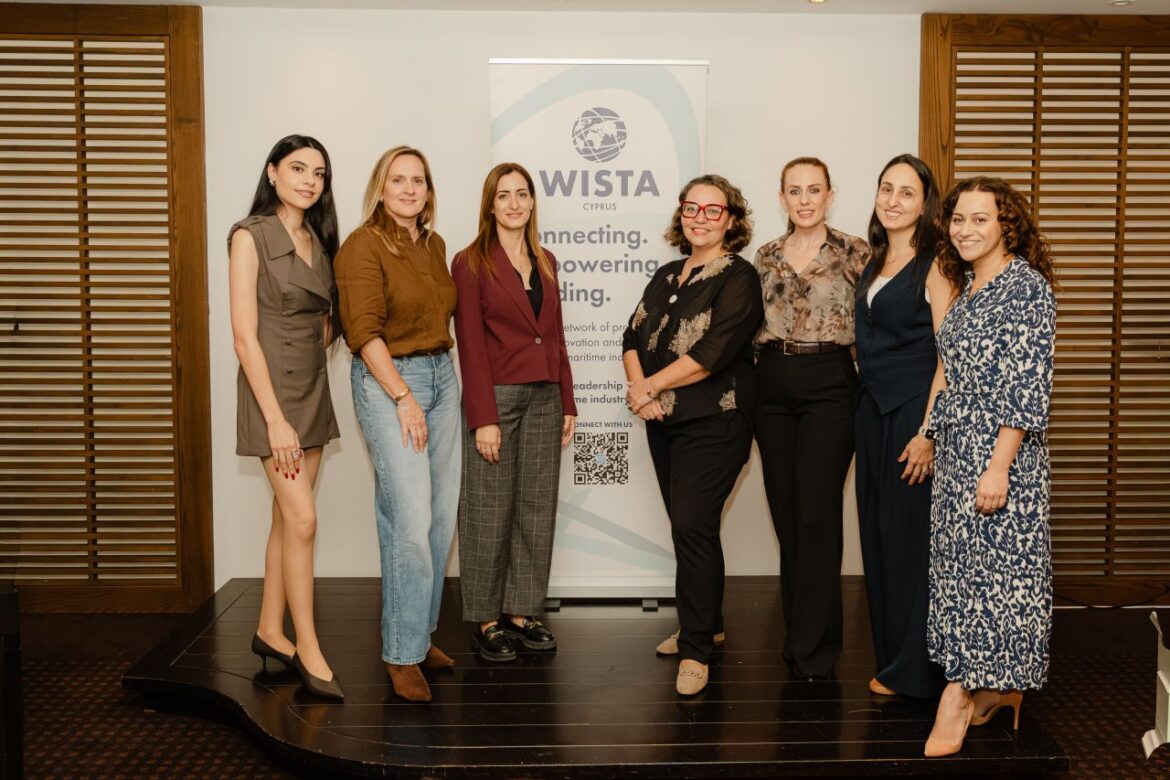
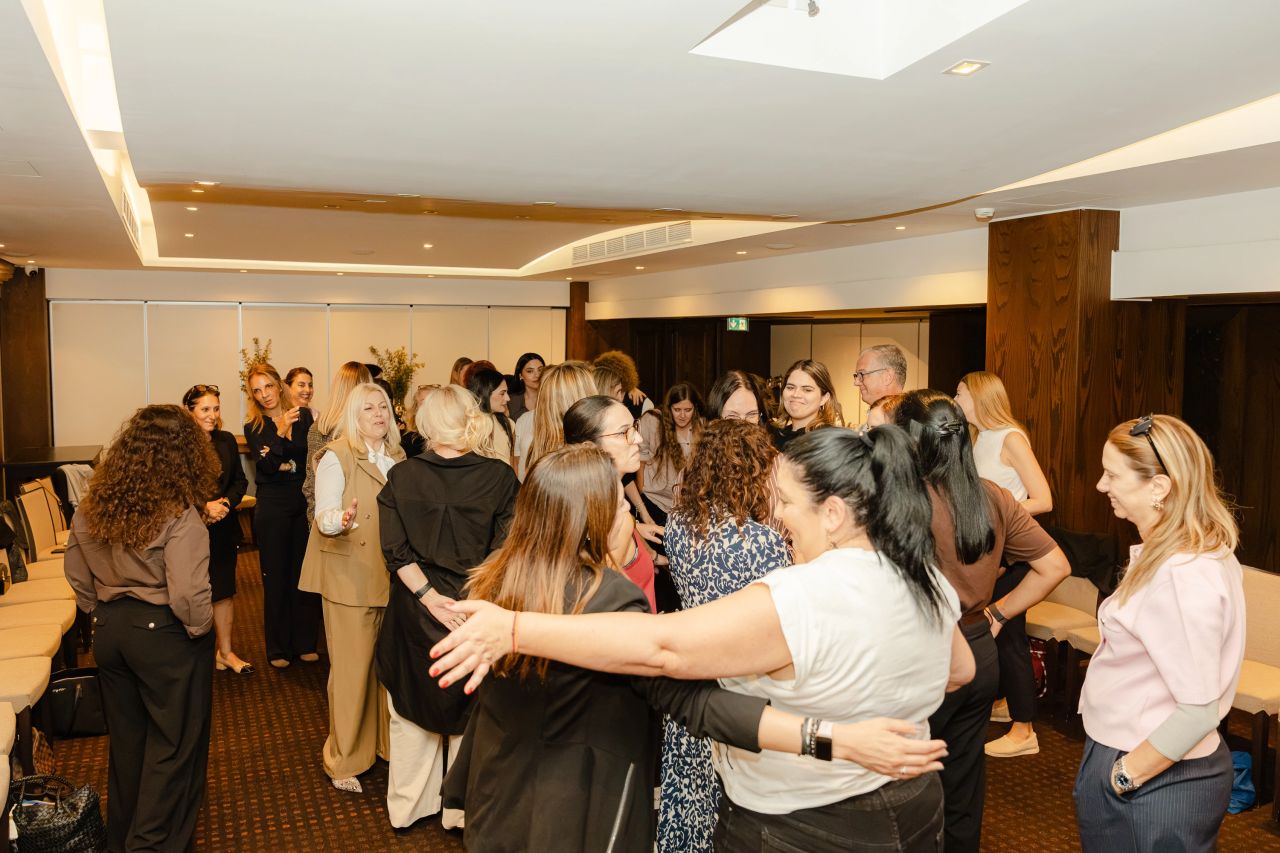
Her comments followed a three-hour workshop titled ‘The Art of Leadership’, organised by WISTA Cyprus and delivered by Sofia Rizou, during which participants explored emotional intelligence, body language, communication and the influence of words through interactive exercises and role-playing.
The experience prompted Theodosiou to consider how much time people devote to understanding one another, particularly through their choice of words, tone and behaviour.
“We spend countless hours learning how to communicate more effectively,” she said, explaining that people work on everything from facial expressions and gestures to storytelling and emotional intelligence because words shape relationships, influence emotions and build trust.
However, despite recognising the importance of these skills, she pointed out that “we are increasingly willing to hand over our communication to artificial intelligence,” raising questions about what might be lost in the process.
The issue has become particularly interesting to Theodosiou as she progresses through MIT’s AI-Driven Leadership programme, which examines the impact of emerging technologies on organisations and the way they are managed.
While studying the possibilities offered by AI, she has also been considering the qualities that distinguish human leadership from technological capability.
As she explained, “We invest in developing the deeply human skills that make us effective leaders, while simultaneously embracing technology capable of imitating those very skills.”
Indeed, although AI can already produce persuasive writing and carefully structured messages, Theodosiou questioned whether such capabilities amount to genuine understanding.
“AI can write beautifully, structure compelling narratives and even simulate empathy,” she observed, before asking whether it could genuinely connect with people or recreate the warmth, vulnerability, intuition and trust that develop through personal interaction.
Her answer was clear, as she does not believe technology can reproduce those experiences, regardless of how sophisticated its communication becomes.
For Theodosiou, this distinction goes to the heart of what leadership should involve, particularly when dealing with people whose trust cannot be secured simply through well-chosen words.
“Leadership, after all, is not simply about delivering the right message,” she said, stressing that it also concerns “how we conduct ourselves, the relationships we build and how we make others feel.”
The discussion is especially relevant to shipping, where the adoption of AI and digital technologies is changing procurement, logistics, operational planning and supply-chain management.
Although these developments can improve efficiency and support decision-making, commercial relationships across the maritime sector continue to depend on the ability of people to work together, resolve problems and build confidence over time.
Theodosiou has previously made a similar argument about the industry’s technological development, placing people ahead of digital systems and artificial intelligence.
Earlier, she maintained that the sector could succeed by “investing in people first, digital frameworks second, and AI third, in that order,” reflecting her belief that technology should support professional expertise rather than replace it.
Her latest reflections take that position further, focusing on the personal connections that sustain maritime businesses even as more activities become automated.
Theodosiou explained that the question is particularly relevant to the maritime, shipping and ship-supply industries, “where trust, collaboration, adaptability and practical expertise remain essential across the supply chain.”
The workshop itself also reflected the importance of these qualities, with Rizou drawing on interactive learning techniques to demonstrate how communication, emotional awareness and behaviour influence relationships.
Rizou’s wider work in maritime training includes Seafarers Boost, an initiative using theatre-based techniques to help maritime professionals develop communication skills, confidence and emotional resilience.
For Theodosiou, however, embracing technology and preserving human connection need not be competing objectives. Rather, the challenge lies in understanding where AI can be useful and where personal judgement and interaction remain essential.
“The future will undoubtedly be shaped by technology and AI,” she said, maintaining that the strongest leaders will be those who combine technological tools with “empathy, judgement, communication and the ability to build lasting relationships.”
She therefore left readers with a question that extends beyond shipping and into the future of leadership itself, “As AI becomes better at finding the right words, will we become better at understanding their human impact?”