
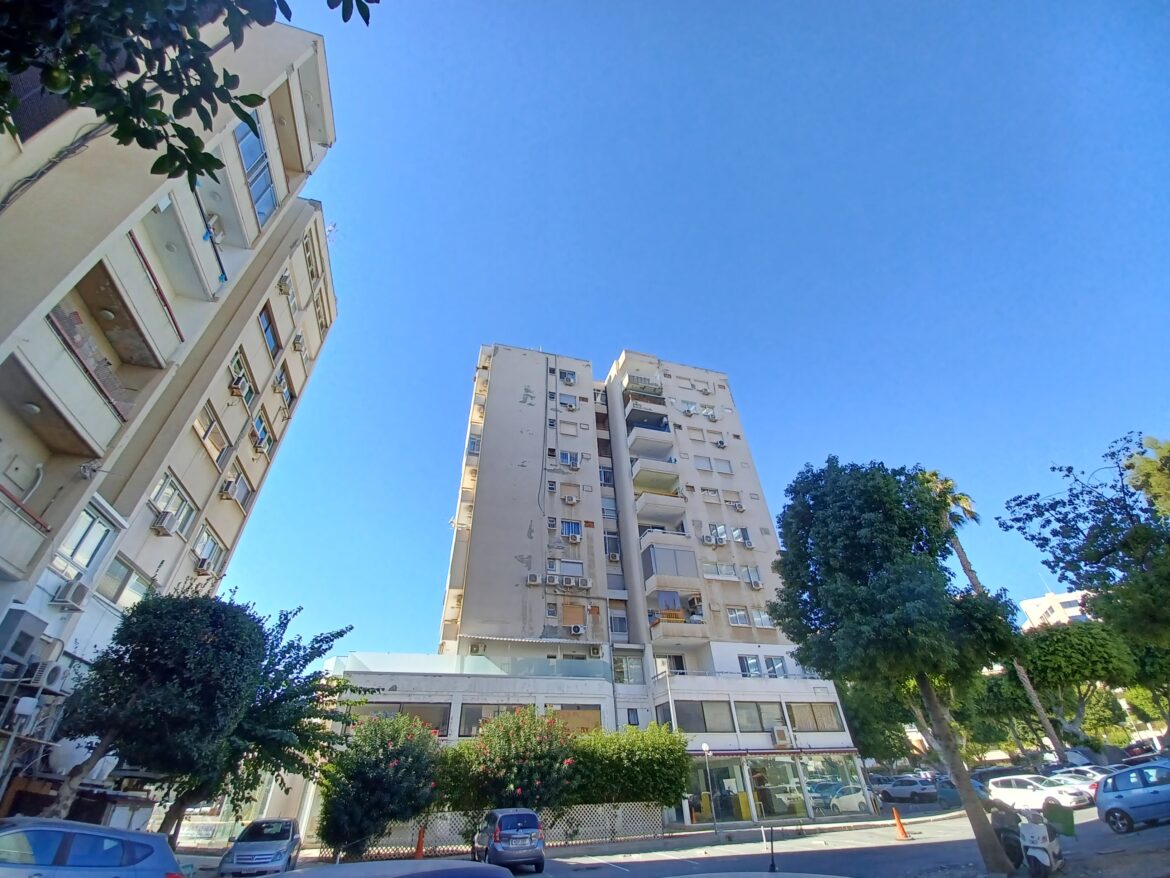
Source: cyprus-mail.com
Cyprus apartment owners could find it harder to sell a property while communal fees remain unpaid, under proposed reforms that would give management committees more leverage over outstanding bills and introduce a €20 annual charge per unit.
The changes are intended to tackle a familiar problem in jointly owned buildings: one neighbour does not pay, the lift still needs servicing, and everyone else is left wondering who will cover the shortfall. However, the legislation has not been passed, and the new fee is not currently payable.
Following discussions in parliament on October 15, the Interior Ministry and the five district local government organisations (EOAs) moved closer to an agreement on the proposed system. The district bodies would eventually supervise jointly owned buildings and their management committees, with January 1, 2029 the target for transferring responsibilities, provided the necessary preparations are completed.
That is still some way off. Lawmakers have allowed a further three weeks for final submissions, while the legal service is examining constitutional issues raised by parts of the proposed framework. The aim is to complete the legislative discussion before the end of 2026, although parliamentary approval is not assured.
The need for reform becomes clearer in the figures. A study prepared for the district authorities, drawing on Land Registry information, identified 14,208 registered jointly owned buildings and another 6,711 unregistered developments. Together they contain around 219,600 units, a sizeable collection of homes whose shared bills, insurance and maintenance have to be managed somehow.
The proposed €20 annual fee would help pay for the public system overseeing these properties. It would be separate from the communal charges that owners already pay for cleaning, electricity in common areas, lifts, insurance and repairs. The Interior Ministry has accepted the charge in principle, but it would require parliamentary approval before taking effect.
For owners, however, the more immediate question is what happens when somebody refuses to contribute. The answer starts with the law already in force, not with the new bill.
Under Part IIA of the Immovable Property (Tenure, Registration and Valuation) Law, Cap. 224, owners must contribute towards the insurance, maintenance, repair, restoration and management of jointly owned property. The allocation is governed by the building’s regulations, with the area of each unit forming the basis for contributions.
That means leaving a flat empty does not, by itself, wipe out the communal bill. Nor does living in another country remove an owner’s statutory responsibility. A landlord and tenant may agree how costs are divided between them, but that private arrangement does not simply transfer the owner’s obligations to the management committee.
The same law requires jointly owned buildings to have a management committee. Committees can set contributions, maintain a fund, arrange insurance and bring court proceedings to recover arrears. Where a committee cannot be established or stops functioning, the director of the department of lands and surveys can intervene under the conditions set out in the legislation.
There is already a further safeguard. Under Section 38KH, a committee must, when requested by an owner or somebody authorised by that owner, certify the amount assessed, how it is payable and what has been paid. Such a certificate can serve as initial evidence in property dealings. It is not, however, the same thing as a universal statutory requirement to produce a no-debt certificate before every sale.
That is the change being considered. One proposal would make confirmation from the management committee that communal expenses have been settled a condition linked to depositing a sale contract or transferring ownership. Other versions would permit an agreed repayment plan instead of full settlement.
Supporters believe this would stop debts being left behind when properties change hands. Opponents worry that it could allow an inactive or badly run committee to delay a legitimate sale, even when the buyer and seller have otherwise fulfilled their obligations.
The Cyprus Real Estate Agents Registration Council has warned that compulsory clearance certificates could hold up transactions, while the Cyprus Banking Association has raised concerns over the effect on transfers. As reported last year, the EOAs themselves initially resisted taking on the additional work without the staff, funding and systems to do it properly.
A court decision has also shown why the legal drafting matters. In a July legal analysis of a court of appeal case involving a trapped buyer, disputed common expenses were not found to be a bar to transferring title under the applicable law and contract. That ruling concerned a particular statutory procedure, rather than every property sale, but it makes the distinction between collecting a debt and blocking a transfer especially important.
Meanwhile, the ministry and district authorities have now agreed on more of the practical arrangements. The government is expected to develop a central digital platform drawing on land registry records and connecting with the Hippodamus planning system, while the EOAs would need trained staff and a functioning administrative structure.
Nicosia EOA president Constantinos Yiorkadjis has stressed that the software must be operational and tested before his organisation takes responsibility. The Cyprus Scientific and Technical Chamber (Etek) has also called for a single, consistent digital procedure, rather than five district systems working differently.
The difficulties extend well beyond chasing fees. Under existing law, committees must insure jointly owned buildings against fire, lightning and earthquakes. They are also responsible for maintaining shared areas, yet collecting enough money for major repairs can be difficult when some owners refuse to pay or meetings fail to agree on the work.
Recent incidents involving deteriorating residential buildings have made the question more pressing. Proposals for building inspections, stronger maintenance obligations and action on dangerous properties are being discussed alongside the jointly owned buildings reform. The Interior Ministry has been given until October 29 to address further concerns about dangerous-building legislation.
Absentee ownership adds another complication. A flat may be used only in summer, rented out by an agent or held as an investment by somebody living abroad. None of that stops the building from needing a working lift or safe wiring, but it can make contacting owners, getting decisions approved and recovering debts considerably harder.
Greece is confronting similar difficulties, with proposals to strengthen apartment block management and simplify debt collection where owners are absent or difficult to trace. Those proposals are separate from Cyprus law and do not change the obligations of owners on the island.