Source: in-cyprus.philenews.com
Christos Charalambous’ journey began with a love for space and technology, and, partly, a small plot of land owned by his grandfather, which helped inspire one of his many business ventures.
The 21-year-old entrepreneur comes from a Science, Technology, Engineering, and Mathematics (STEM) background, studying aerospace engineering and astrophysics in the United States. While still in secondary school in Cyprus, he founded Altair, a company inspired by his interest in space.
Later, with his grandfather’s land connecting him to the agricultural world, he created LIVIA. The agritech project combines autonomous drones, satellite imagery and artificial intelligence to monitor vineyard health, detect water stress and support precision agriculture.
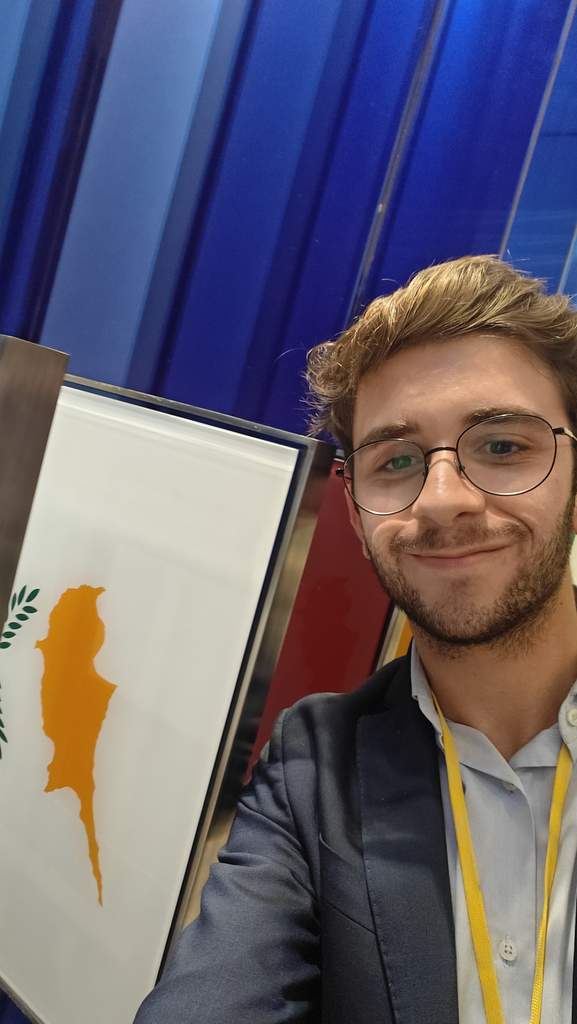
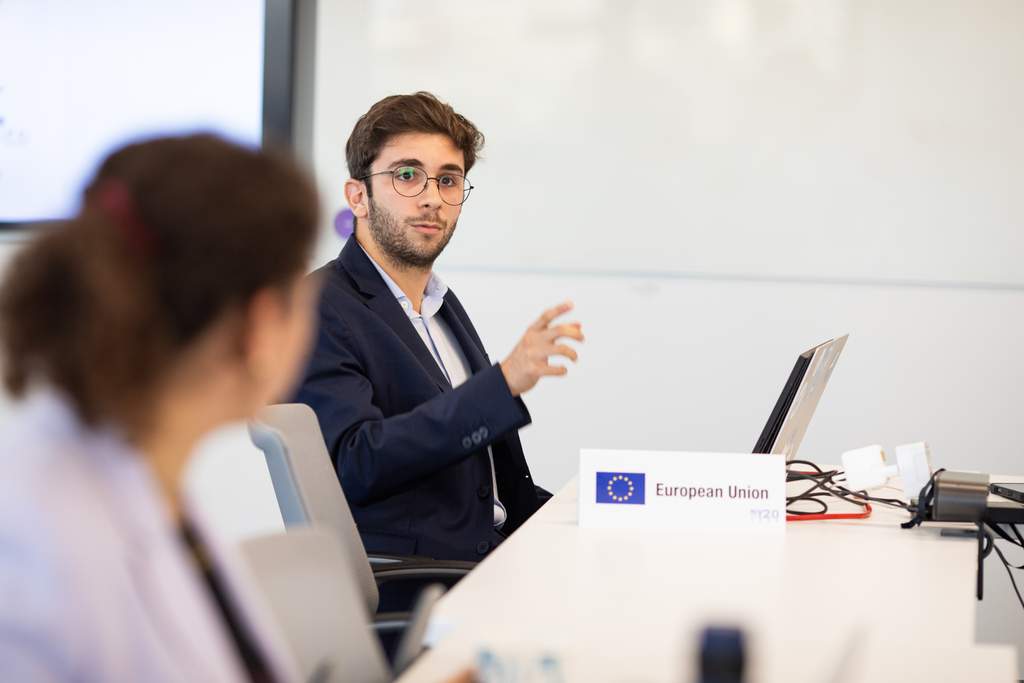
In his first year of university, Christos became the first Cypriot to represent the European Union at the 2026 G20 Youth Summit.
Altair began as education and outreach around astronomy and astrophysics, which Christos started while still in secondary school. Becoming more technical as he grew up, he continued, he formed a very impressive technical team and started playing around with Earth observation data, satellite data and drones, which eventually led to LIVIA, an agritech project. Additionally, his team formed ORIZONTAS, a project that participates in the Space BIC by ERATOSTHENES CoE, which is supported and funded by the Cyprus Deputy Ministry of Research, Innovation and Digital Policy.
Christos’ mother comes from Paphos, where the family owns a small plot of land; while working on satellite data for marine biology, the team tried to find a way to commercialise the research and hit a wall, he said. After brainstorming, they realised there was a large underserved market in agriculture and wineries, more specifically, high-value crops, and came up with LIVIA, which trains AI models to detect vine problems and help vineyards across Cyprus, he explained.
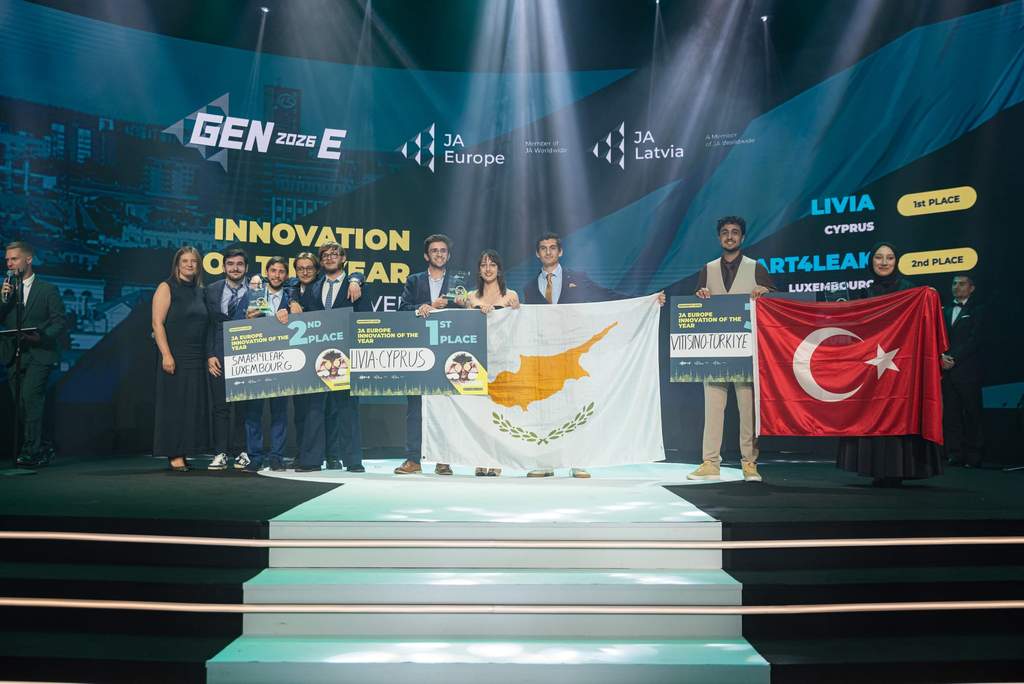
LIVIA won first place for Gen-E Europe Innovation of the Year in Latvia recently and has had an overwhelmingly positive response from Cypriots, Christos said. Cypriot wineries have been very welcoming and helpful to the team, who plan to take LIVIA to the United States and access the US market as well, Christos added.
“The goal is to scale this and make it an accessible solution to as many vineyards and wineries as possible.”
Cyprus is a great starting point for a company due to its small economy and very small market, he said. It “makes a really good sandbox” where teams can test the waters and see if a company can be scaled globally, Christos explained, while being a part of the European Union allows for additional resources and opportunities, he added.
“Don’t be afraid to make the first step, get your foot in the door, and then just commit to it and keep pushing.”
Christos said there are a lot of opportunities in Cyprus for anyone starting a company on the island, as well as lots of resources and open calls. “Are they very competitive? Absolutely. But they’re there.”
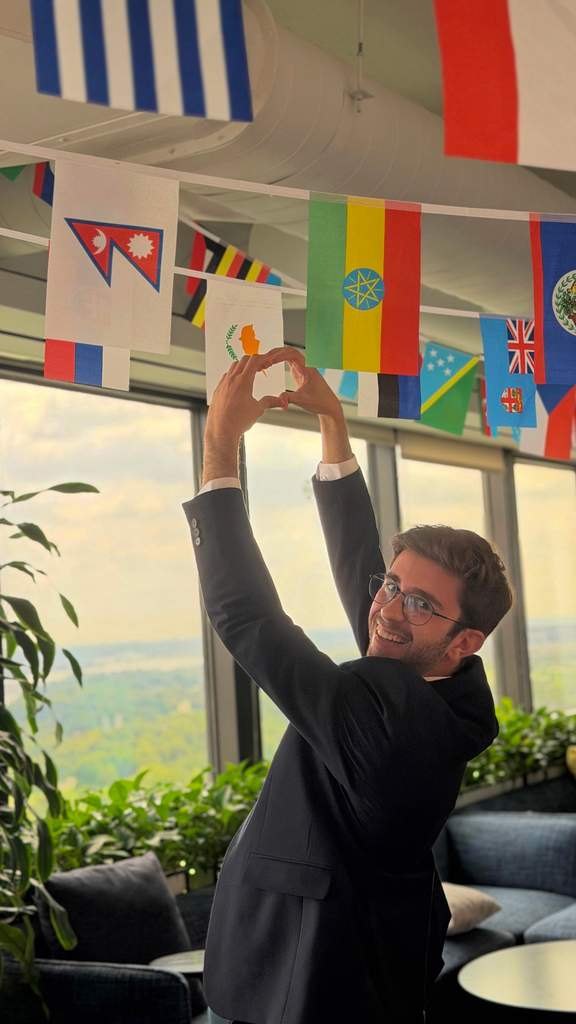
In his first year of university in the United States, Christos decided to branch out, telling en.philenews he believes more STEM focused individuals are needed in social sciences, politics, and diplomacy in order to advance in areas that STEM scholars may have more experience with. He said that including individuals who understand STEM concepts thoroughly will allow meaningful and impactful policies to be put in place.
Christos told en.philenews he always wanted to be at the intersection of diplomacy, policy and technology. When he saw applications for the 2026 G20 Youth Summit, he sent in his CV and ‘didn’t even expect to get an interview.’ He ended up becoming not only the youngest delegate from the European Union at the summit, but the first Cypriot representative of the EU.
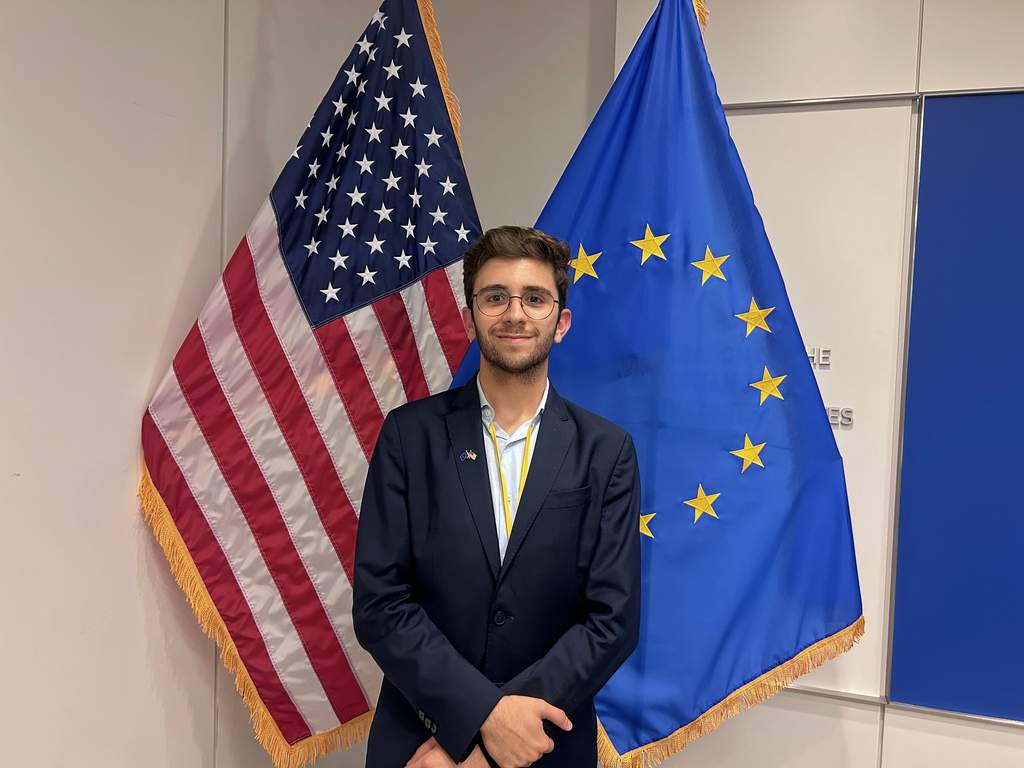
Initially, Christos stated that he felt ‘really’ out of place, as it was a very high-level summit, and quite intimidating. Before travelling to Washington for the main event, Christos explained he participated in weekly meetings with the rest of the chosen delegates, having bilateral meetings with each country’s delegates to explore their common ground.
The summit is split into five thematic tracks: Global Economy and Job Creation, Energy, Innovation and Digital Transformation, Fragility, Conflict, and Violence, and Food Security and Global Health. Christos worked within the Innovation and Digital Transformation track, where he and the other representatives started putting together ideas regarding policy proposals and notes, and filtering out disagreements, he said.
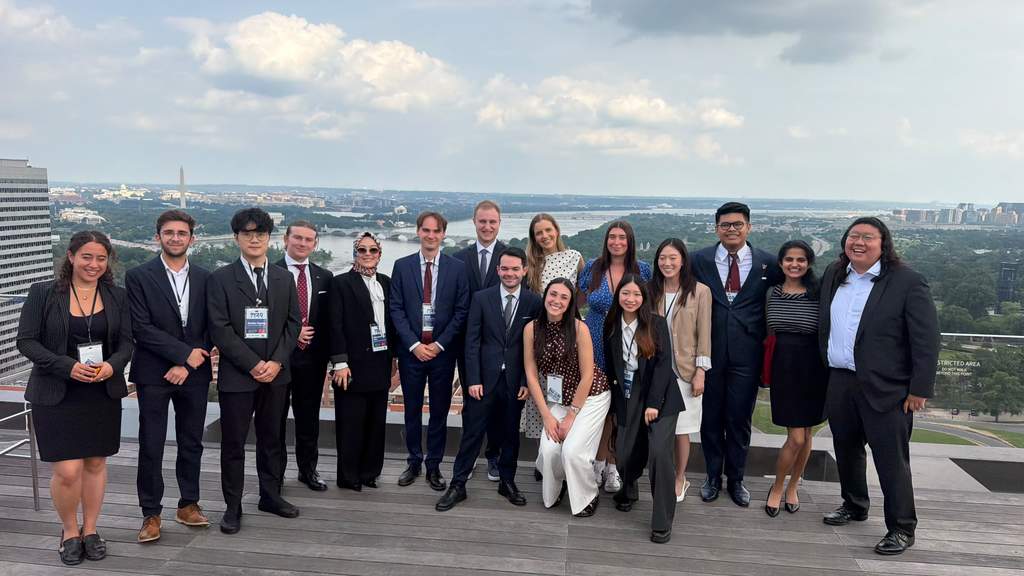
In August, Christos travelled to Washington. The first thing on the agenda was voting and finalising the language that was to be featured in the communiqué, the final document delivered at the G20 summit, he stated. Christos explained that the delegates had to ensure there were no ‘red lines’ (non-negotiables), for any of the delegates; all participants sat down and were informed of non-negotiable points after the opening ceremony.
The main topic of the summit was artificial intelligence, Christos noted. The conversations on AI ranged from its use as a tool, and the governance of large language models (LLMs). Due to the summit also featuring Global South representation, the delegates had numerous ideas around the safe and accessible democratisation and globalisation of AI, Christos said.
He explained that this was a difficult part of the negotiations due to the different countries’ contrasting opinions on the regulation of AI. He said that the United States, for example, was against the regulations, whereas European countries like Italy, Germany and France advocated for safeguards.
He added that he initially though the summit would be youth perspectives on current global problems but was surprised to see it was blended with a representation of the delegates’ own countries’ agendas. “Youth perspectives were voted in very easily, and with everything else there tended to be more tension.”
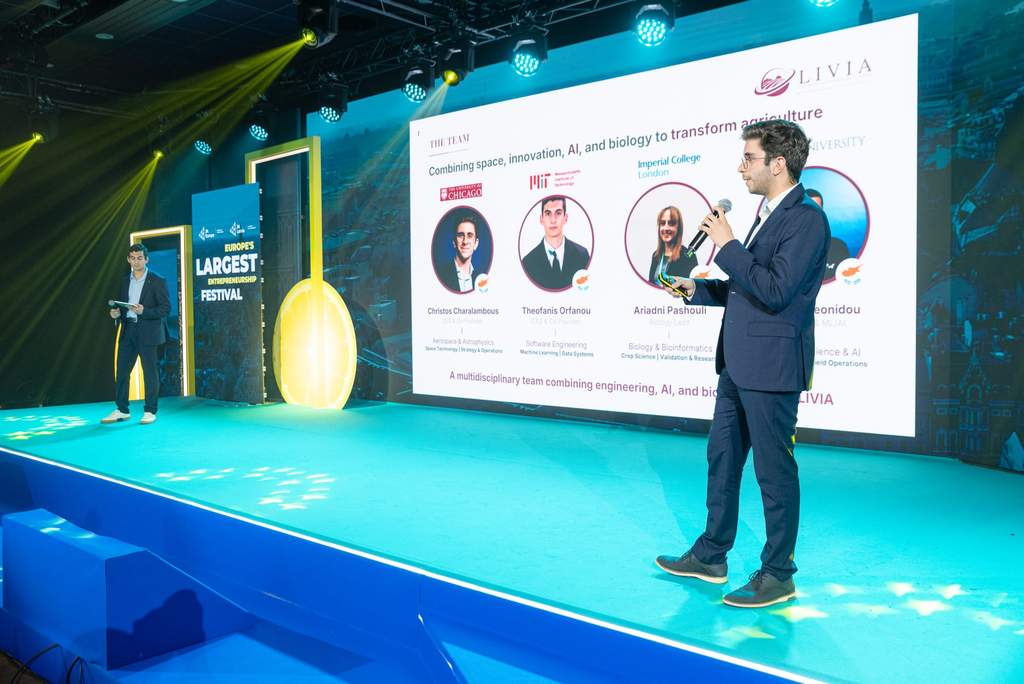
Christos proposed three ideas: assessing how AI algorithms affect users, environmental and social impact assessments on the development of AI, and children’s access to social media and digital platforms. In terms of regulating children’s digital access, he said a hybrid solution combining age restriction and digital education should be put in place, where young people are able to become more capable of using new technology rather than fearing it.
Opinions on proposals varied on different countries’ own ideas around freedom of information, Christos explained. Even if every other delegate agreed, and wanted to pass the policy, if a country’s delegates put a ‘red line’ through the proposal, it would not go forward.
Back in Cyprus, Christos had the opportunity to speak to a handful of Cypriot government officials, where he explained the proposals he put forward at the summit, he said, adding that the officials he spoke to were fond of some of the ideas.
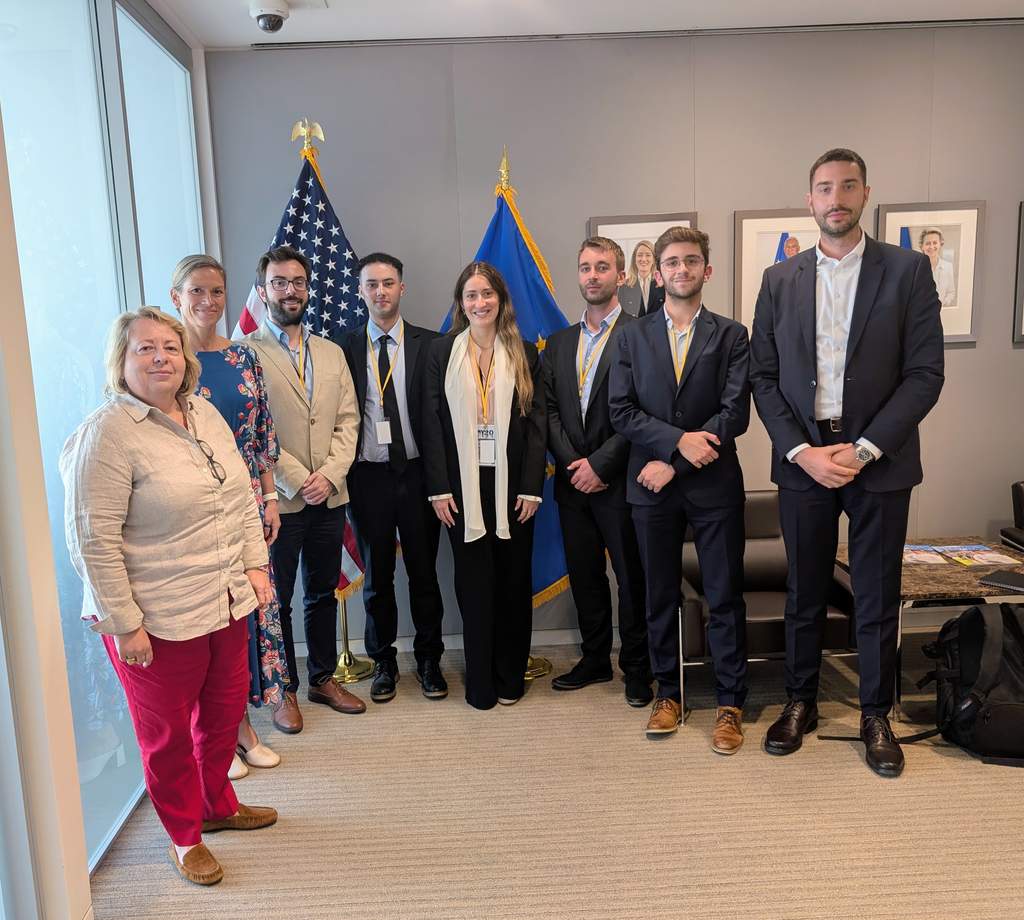
Christos said that he thinks Cyprus is doing very well in terms of digital transformation in general but would like to see more regulations regarding children’s access to social media, in a more dynamic way rather than a static age limit.
As for AI usage in schools, Christos believes it could be helpful to make learning more efficient, but giving younger children access to AI to write their essays, for example, “defeats the fundamental purpose of education.” He said that a balance of knowing how to use AI and not over-relying on it is important, as it is an in-demand tool in the job market.
Europe appears to be taking a more ‘controversial’ path towards AI regulations, so the technology doesn’t get out of control, Christos said. He explained that he has heard a number of people saying Europe is regulating, and the US and China are innovating, but believes European citizens appreciate this sense of privacy and safety around AI, rather than having no guardrails at all.
“There needs to be a balance between regulation and innovation.”
Christos said he would consider a career in politics, perhaps in the future, but would like to focus on STEM at this stage; he added that “to make systemic impact and change, sometimes politics is the way to go.” Though there is a chance to make change in the private sector, in the future he said he would like to explore a balance of both.