
Source: cyprus-mail.com
Oev urges competitiveness drive as global risks mount
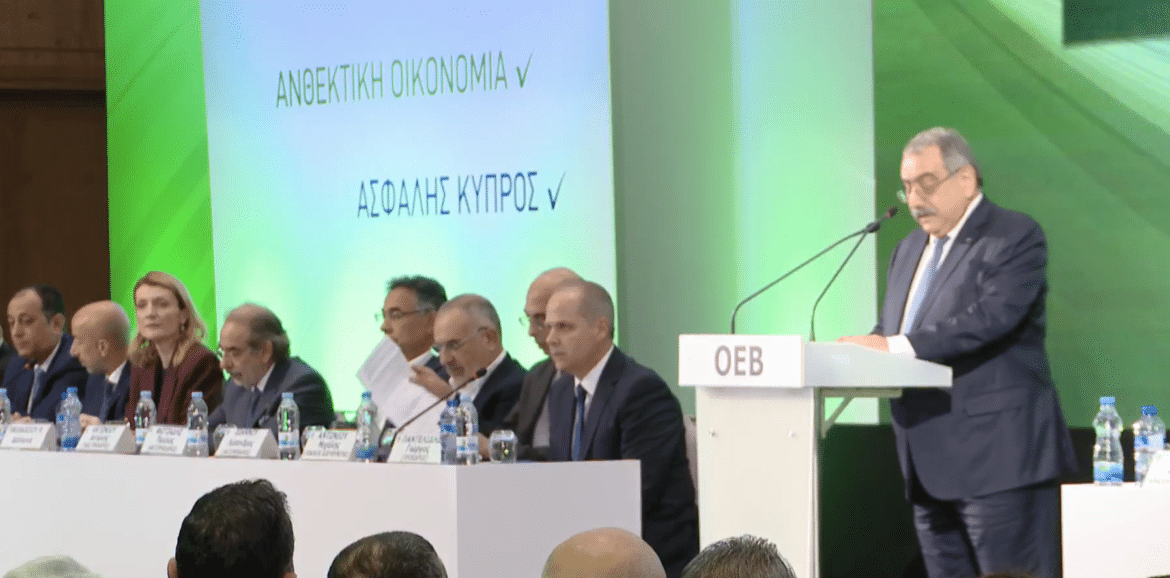
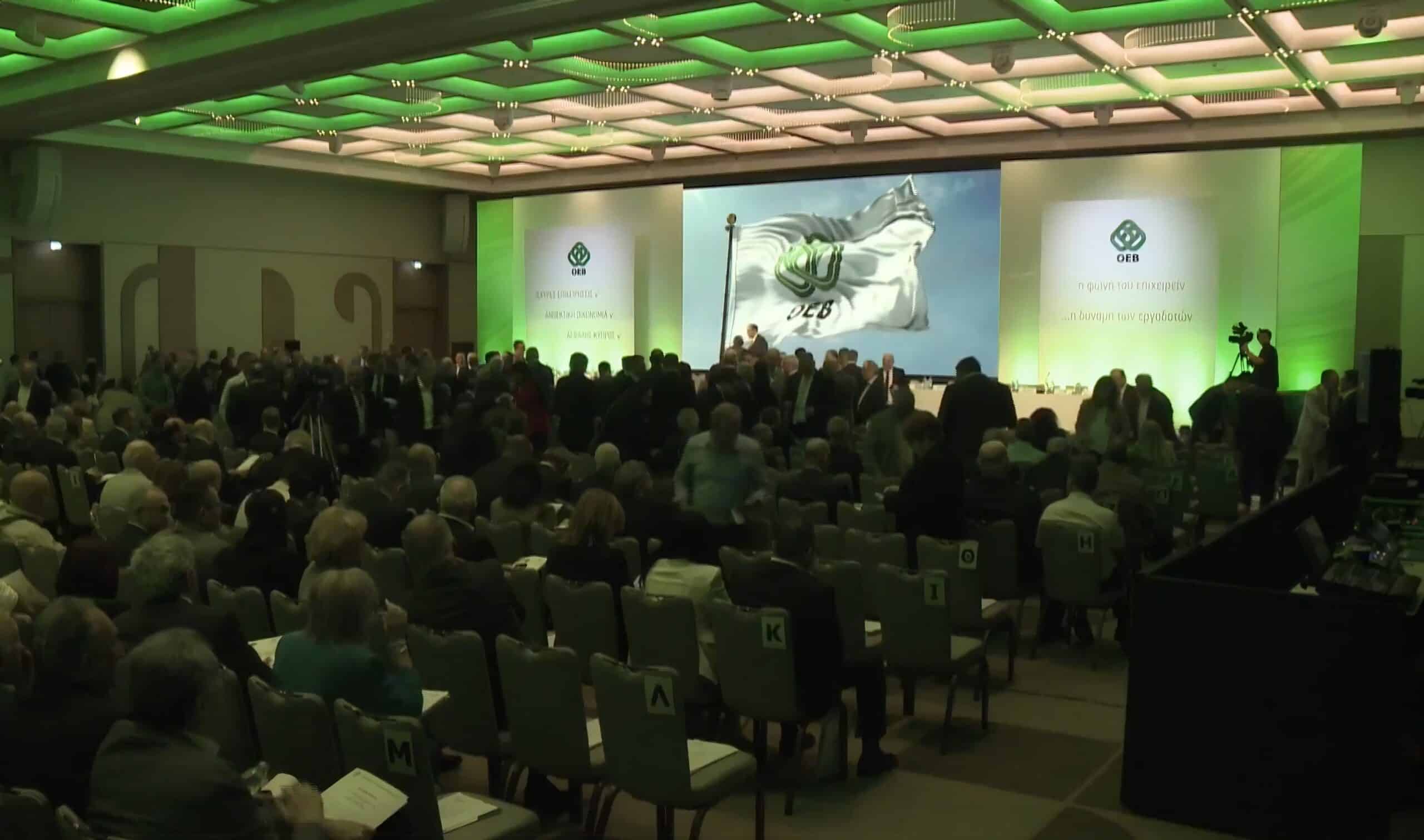
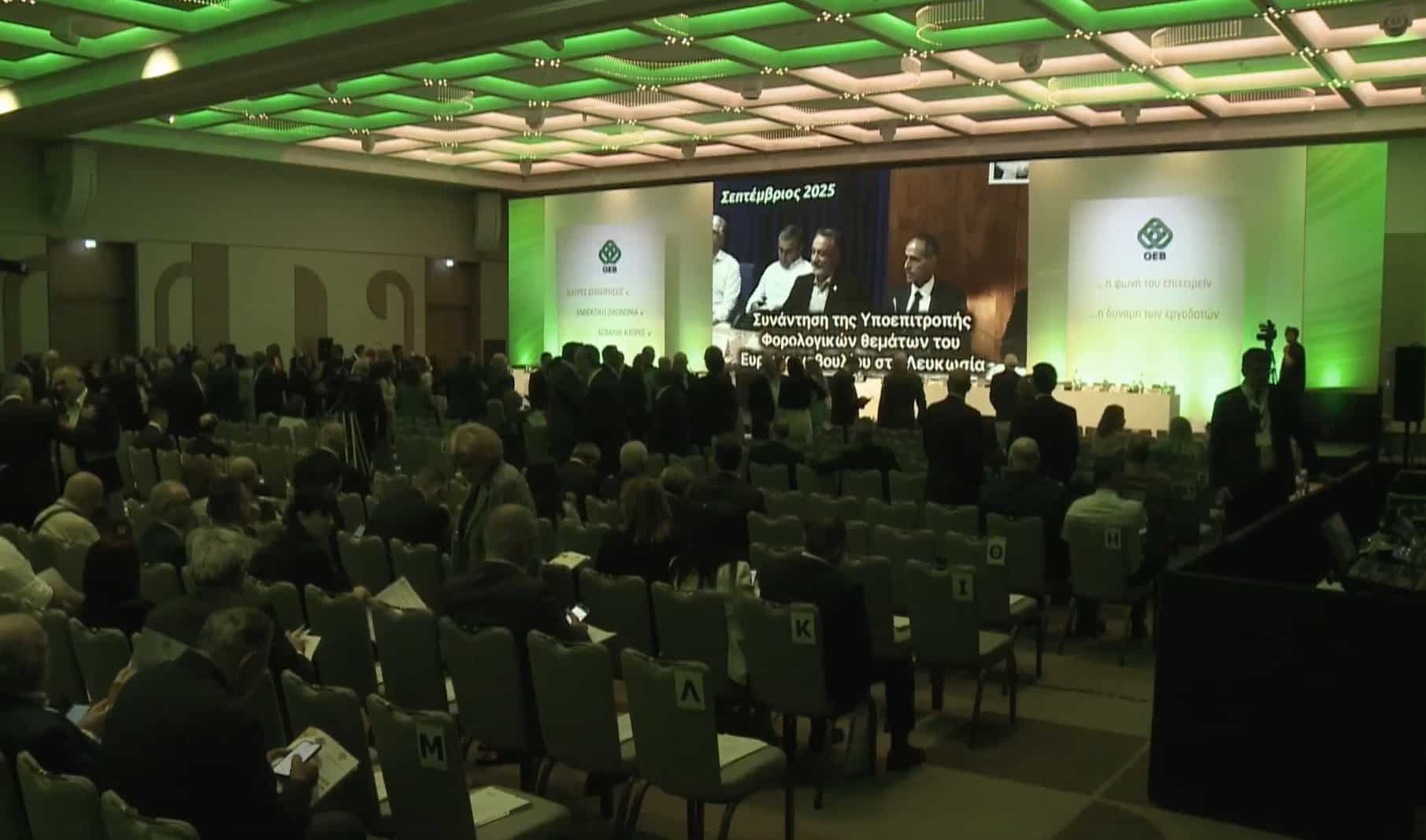
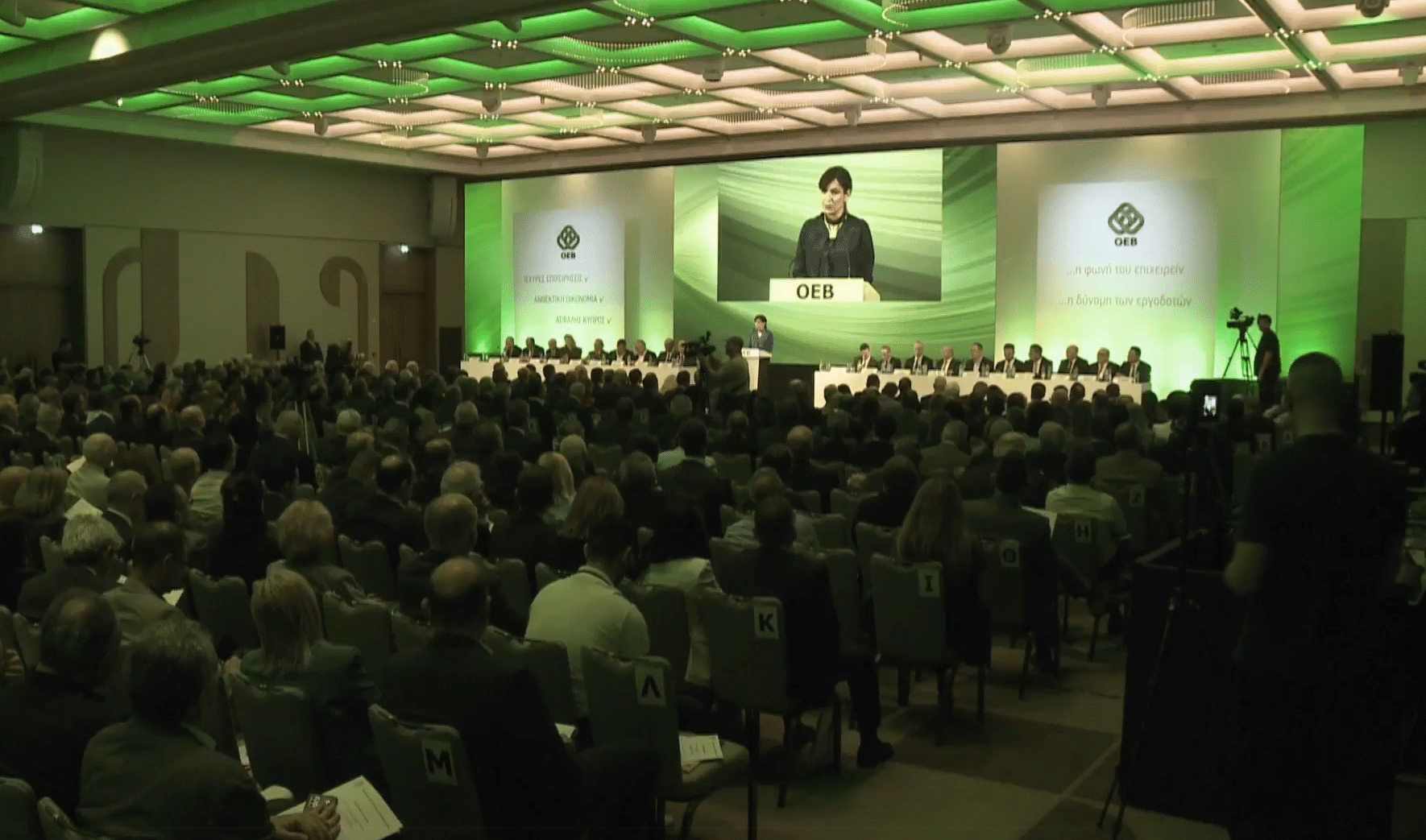
Competitiveness, reform urgency and economic resilience dominated the annual general meeting of the Employers and Industrialists Federation (Oev) on Tuesday, as business leaders warned that Cyprus must accelerate structural changes to sustain growth amid global uncertainty.
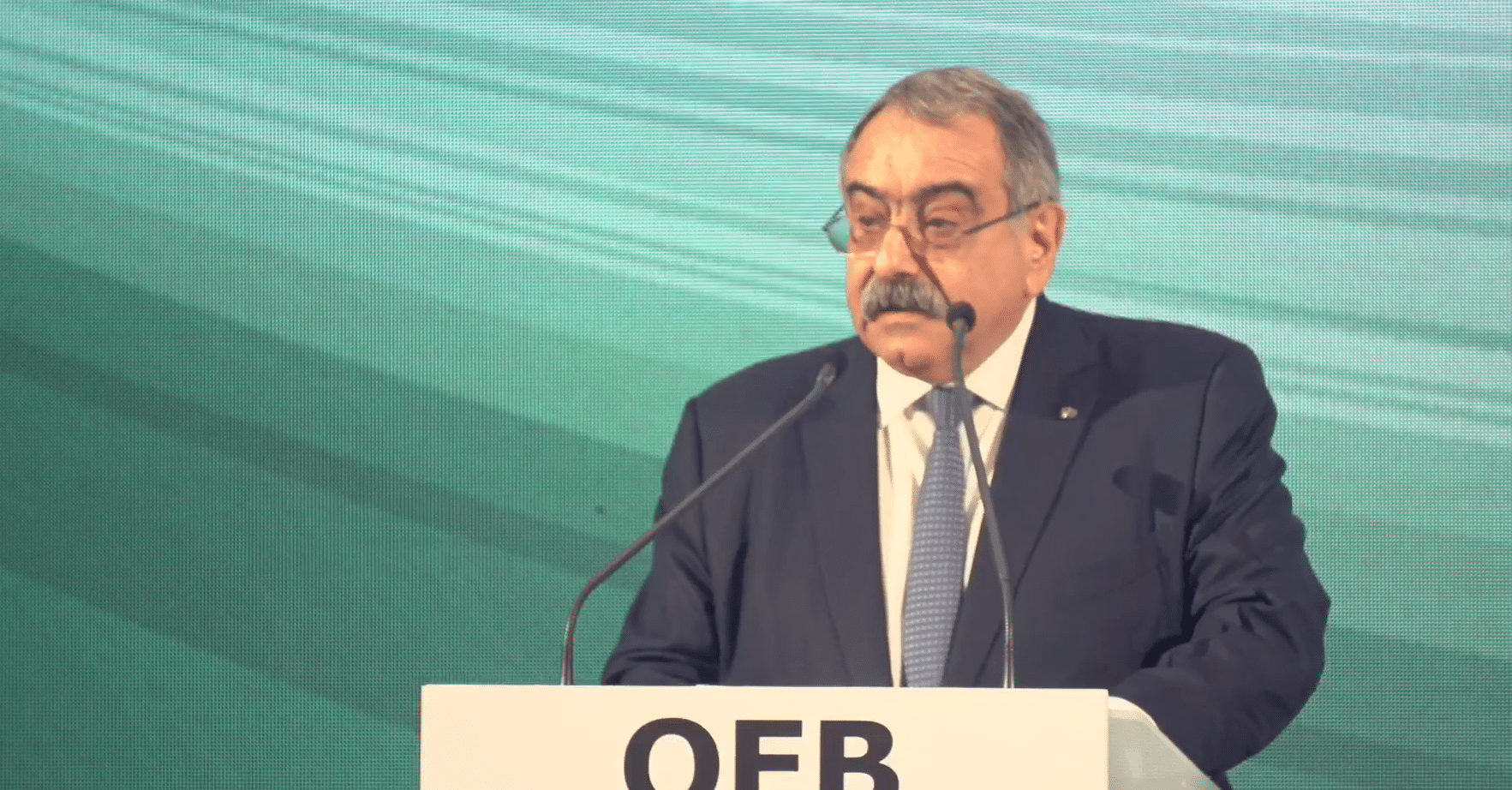
Addressing the gathering at the Landmark hotel in Nicosia, Oev president George Pantelides focused on the need for decisive action across key sectors, warning that internal weaknesses risk undermining the economy more than external shocks.
“The only enemy in areas we control is our bad self, which sometimes proves a very tough opponent,” Pantelides said.
He explained that while Cyprus faces the consequences of a crisis it did not cause, the response must be swift and strategic.
“Our only choice is to invest quickly and intelligently in strengthening the competitiveness of our real economy,” he said.
Pantelides stressed that economic success is not guaranteed, pointing out that past and present performance does not secure future prosperity.
“The bet of competitiveness is a constant race, and success today does not guarantee success tomorrow,” he said.
He also highlighted concerns about Europe’s declining global position, warning that the European Union has been slow to act despite recognising the urgency of reforms.
“Almost 20 months after the Draghi report, only a negligible share of the recommendations has been implemented,” he said.
Still, he welcomed the recent roadmap for “One Europe, One Market“, agreed at an informal summit in Cyprus, expressing hope it would accelerate reforms.
Turning to Cyprus, Pantelides acknowledged strong macroeconomic performance, including high growth rates, low inflation, reduced unemployment and declining public debt, alongside record employment and successive credit rating upgrades.
However, he cautioned against complacency, stressing that stability cannot be taken for granted without a long-term crisis management strategy.
“The stability and positive forecasts should not be considered given if we do not adopt a specific long-term plan today,” he said.
He argued that prudent fiscal management requires limiting rigid public spending while prioritising growth-enhancing investments.
“When the international environment is unstable, boosting growth through public investment is essential,” he said.
Pantelides outlined a vision for a modern state driven by long-term strategy, investment in human capital, technological transformation, outward orientation and fast decision-making.
On energy, he identified security, adequacy and cost as the three defining challenges, warning that Cyprus risks falling behind.
“We must finally conclude the saga of natural gas and the FSRU, ensure viable interconnection with Europe, expand renewables and storage, and reduce emissions that burden bills,” he said.
“And we must hurry, because we are losing ground and competitiveness,” he added.
In the construction sector, Pantelides criticised increasing regulatory burdens, arguing they are stifling growth instead of unlocking potential.
“Instead of releasing the sector’s dynamics, we are constantly loading it with new regulatory and administrative requirements,” he said.
He also warned against legislative proposals imposing unrealistic restrictions on property acquisition.
On services, he emphasised the need for access to talent, legal stability and predictable taxation.
“No one can play with the country’s credibility, because the consequences are unforgiving and the cost is heavy,” he said.
Moreover, Pantelides welcomed progress on tax reform and the recent approval of legislation to privatise the Cyprus Stock Exchange (CSE).
He also expressed dissatisfaction with the Business Support Centre, saying reforms are needed to deliver meaningful results.
Regarding the industrial sector, he called for consolidation of responsibilities under a single authority to address fragmentation, unclear frameworks and burdensome licensing procedures.
On education, Pantelides warned that Cyprus has remained stagnant, failing to adapt to modern economic needs.
“We have a duty to ensure that graduates’ skills match labour market needs,” he said.
He added that technical education offers hope but requires collective support.
In terms of the implementation of justice, he called for faster court decisions and full digitalisation of processes.
“Entrepreneurs act as if there is no judicial system, preferring a quick bad settlement over a fair decision after a decade,” he said.
Pantelides also raised concerns about Oev’s exclusion from international economic missions, despite its extensive representation of businesses.
“How is it possible for Oev to be excluded from this national mission?” he said.
He stressed that Oev and the Cyprus Chamber of Commerce and Industry (Keve) remain united partners on key economic issues.
“On critical matters we move forward together, supporting all businesses and the economy,” he said.
Pantelides argued that reforms must transform the state into a partner rather than an obstacle to growth.
“Reforms must be implemented at private sector speed,” he said.
He rejected concerns about political cost, insisting bold decisions would bring electoral benefits.
“Electoral gains will come from decisions that dismantle outdated practices and unlock the country’s potential,” he said.
Referring to upcoming elections, he expressed hope for stability. “I sincerely hope predictions that the next parliament will be the greatest systemic risk prove wrong,” he said.
“I trust the silent majority will deliver a parliamentary majority that ensures predictability and stability,” he added.
Pantelides also highlighted Cyprus’ presidency of the Council of the European Union, praising the government’s handling of its responsibilities.
He also reaffirmed the federation’s evolving role. “Oev is growing stronger, adapting and embracing every business that creates wealth and jobs,” he said.
“We continue dynamically, responsibly and optimistically,” he added.
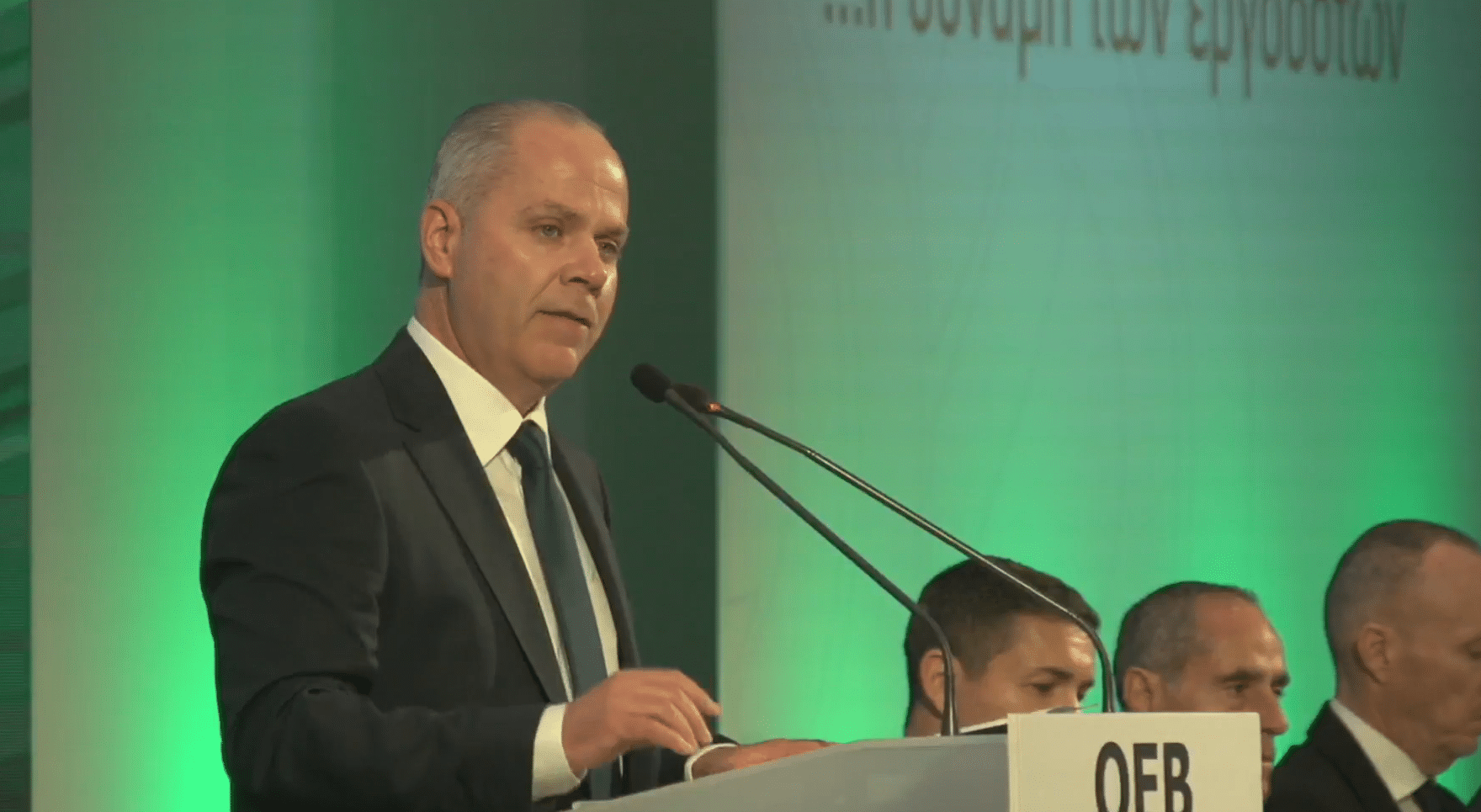
On his part, Keve president Stavros Stavrou echoed concerns about global uncertainty, particularly the impact of the Middle East conflict on tourism, investment, trade and shipping.
“The war in the Middle East creates problems for vital sectors of our economy,” Stavrou said.
He highlighted Cyprus’ resilience, noting sustained growth, improved credibility, public debt reduced to 55 per cent of GDP and inflation kept below 2 per cent.
However, he warned against complacency. “We do not have the luxury of complacency or indifference,” he said.
Furthermore, Stavrou described Cypriot entrepreneurship as being at a critical crossroads, balancing new opportunities with persistent structural weaknesses.
“On one side there are opportunities in green transition, digital transformation and innovation, and on the other side chronic weaknesses such as bureaucracy, low productivity and delays in justice,” he said.
He called for unity within the business community and emphasised priorities including productivity, support for SMEs, investment in human capital and stronger links between universities and the labour market.

“The state must accelerate reforms to make Cyprus a more attractive business destination,” he said.
He added that labour market regulation and pension reform require careful handling, saying that “wrong decisions could create insurmountable problems in the future“,
Whata is more, Stavrou expressed optimism about Cyprus’ prospects. “With proper planning and determination, we can ensure a dynamic, outward-looking and sustainable economy,” he said.
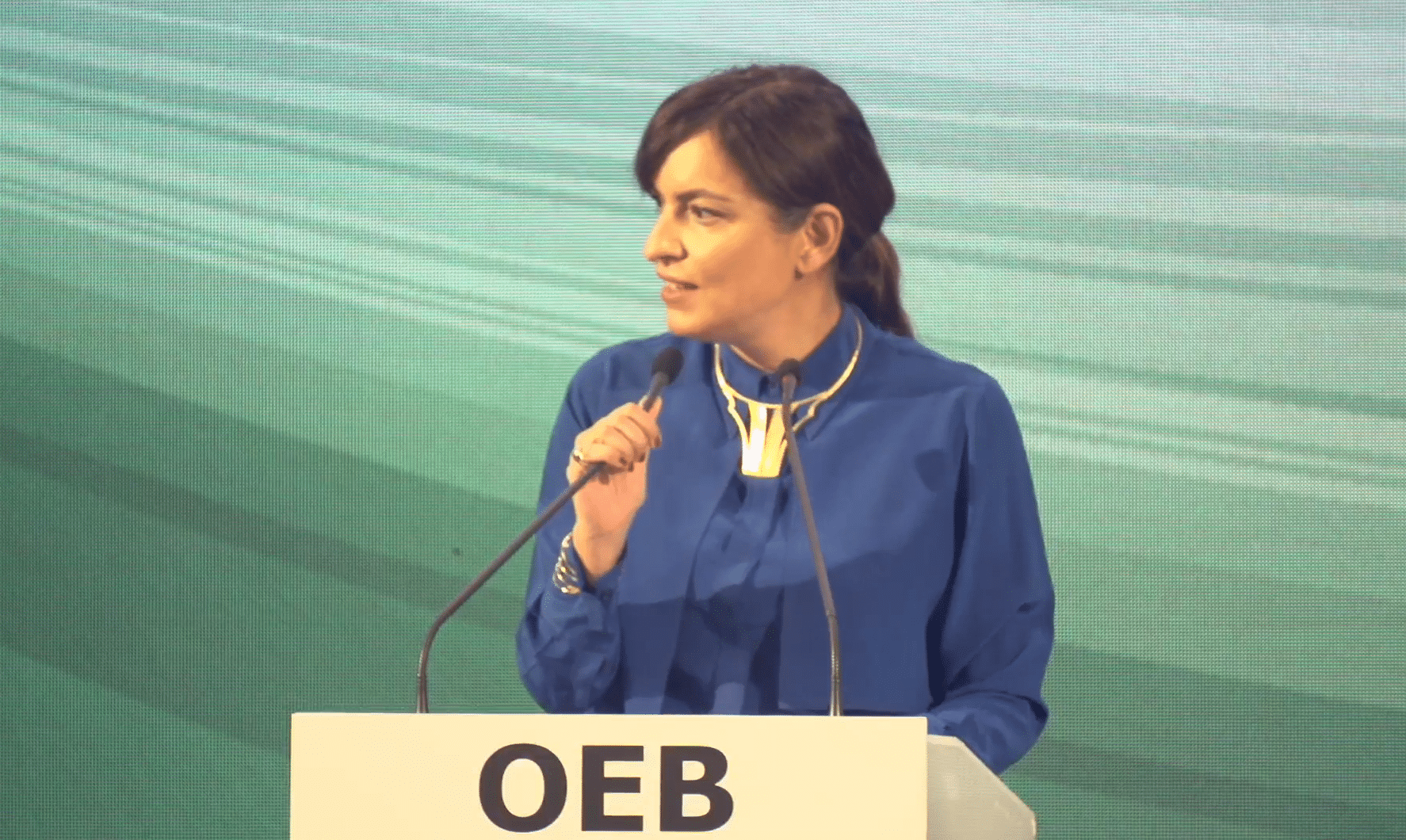
Representing the Federation of Hellenic Enterprises (Sev), executive committee president Rania Aikaterinari highlighted strong economic and political ties between Cyprus and Greece, especially in a volatile geopolitical environment.
“Uncertainty has become the new normal, and Greece and Cyprus stand together in facing every challenge,” she said.
She referred to Greece’s support during recent tensions linked to the Middle East conflict, both militarily and diplomatically.
“Greece sent a message of unity and support within Europe,” she said.
She also confirmed plans to strengthen cooperation through business missions and a memorandum of understanding between Sev and Oev.
“We are formalising our commitment to coordination, joint interventions and knowledge exchange,” she said.