
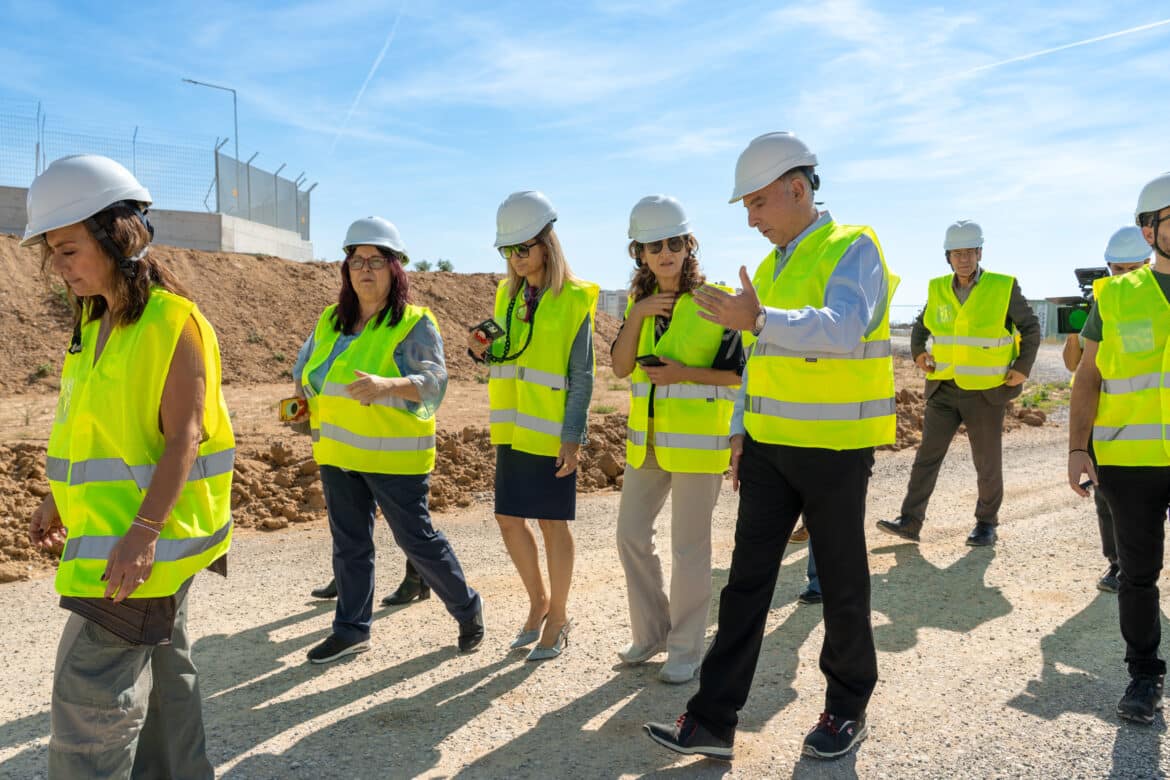
Source: cyprus-mail.com
HELLENiQ ENERGY has brought its first large-scale battery energy storage facility into operation in Thessaloniki, Greece, following an investment of approximately €50 million aimed at improving the use of renewable electricity.
The group’s renewable energy and storage project portfolio under development includes more than 1 GW of storage projects in Greece, Romania, Cyprus and Bulgaria, highlighting its wider regional expansion.
The facility, developed by HELLENiQ Renewables at the group’s Thessaloniki industrial site, has an installed power capacity of 100 megawatts (MW) and a storage capacity of 200 megawatt-hours (MWh), making it one of the largest electricity storage projects in Greece and Southeast Europe.
The investment marks an expansion beyond renewable electricity generation into infrastructure designed to make green energy more efficient and reliable.
The battery park will provide flexibility and balancing services to Greece’s national electricity transmission system, helping to improve its reliability and resilience while supporting energy security.
Renewable electricity is sometimes curtailed when production exceeds real-time demand, meaning that available clean energy cannot be used.
The new facility will store surplus electricity and release it when demand requires it, reducing renewable energy curtailments and creating additional capacity for new renewable energy installations to connect to the national grid.
“Through continued investment in Greece and Southeast Europe over recent years, we have developed a strong portfolio of renewable energy and battery storage projects exceeding 6 GW, of which more than 700 MW are already operational,” said Sotiris Kapellos, chief executive of HELLENiQ Renewables.
“Today, we are investing strategically in electricity storage, a critical component of the energy system of the future,” he added.
Kapellos said batteries provided the flexibility needed to integrate more renewable energy, reduce curtailments and contribute to a more reliable, secure and cost-efficient electricity system.
He added that the Thessaloniki project would help create the conditions for cleaner and, over time, more affordable energy for consumers.
The facility is expected to complete at least one full charging and discharging cycle daily, storing more than 200 MWh of electricity.
That amount is equivalent to fully charging approximately 3,000 electric vehicles every day, according to the company.
The project was selected through the first competitive tender conducted by Greece’s Regulatory Authority for Waste, Energy and Water (RAAEY) for energy storage systems.

It was implemented under Greece’s national recovery and resilience plan, Greece 2.0, with funding from the European Union’s NextGenerationEU programme.
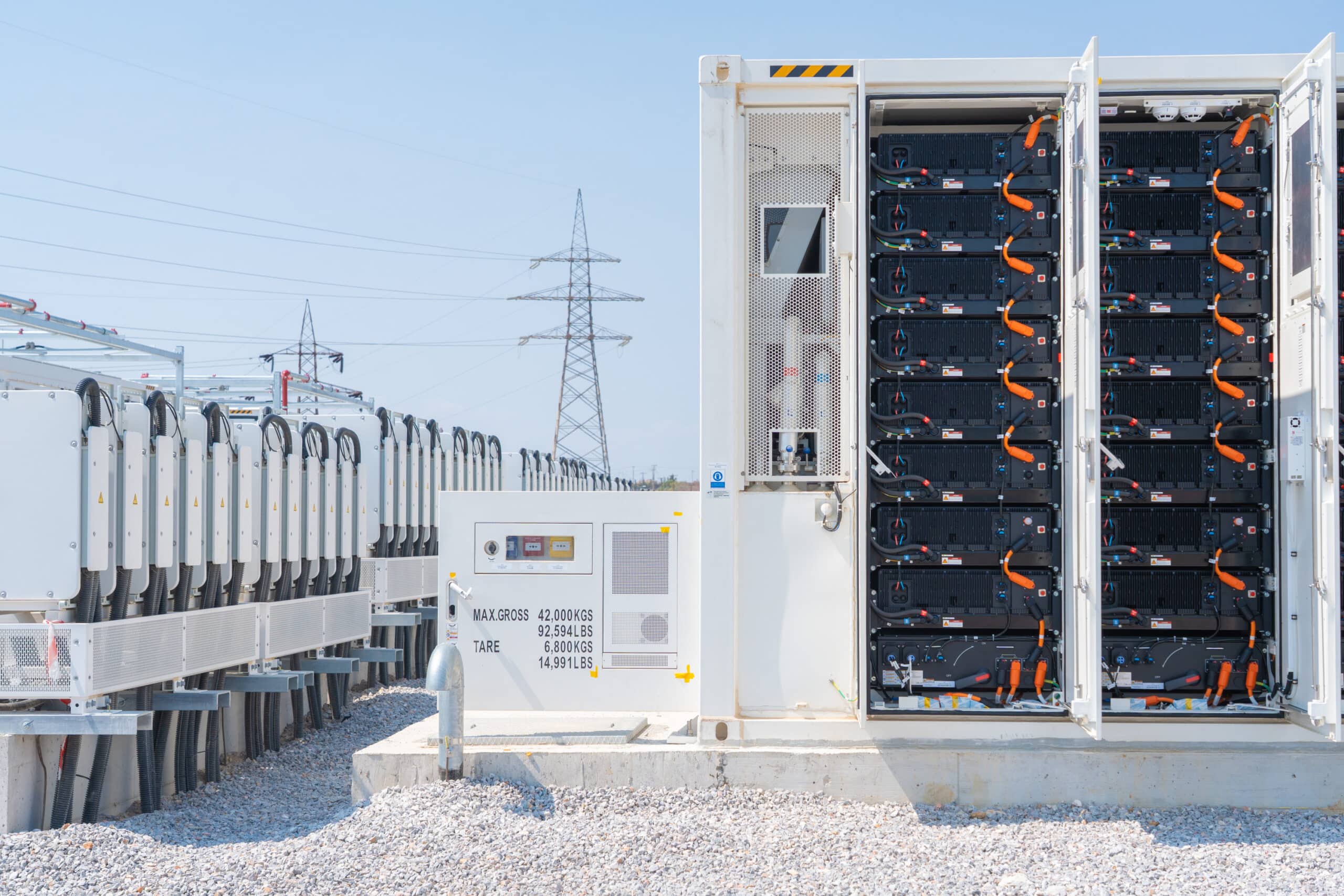
The installation occupies approximately 100,000 square metres and comprises three battery storage stations, with a combined power capacity of 100 MW and storage capacity of 200 MWh, alongside the infrastructure needed to connect it to the national electricity transmission system.
The batteries use lithium iron phosphate technology and a liquid cooling system, and are designed to meet international safety and reliability standards.
Grid connection required the construction of a new 33/150-kilovolt step-up substation and an underground high-voltage transmission line extending approximately five kilometres to the Thessaloniki Extra-High Voltage Centre.
Approximately 100 direct jobs were created during construction, while the project also supported the local economy through cooperation with businesses and suppliers across the wider region.
HELLENiQ ENERGY said the facility represented an important step in its growth strategy and its commitment to investing in infrastructure and technologies that create long-term value for the country, the energy system and citizens.
Construction of the group’s second battery storage project, in Florina, is expected to be completed in the near future.
That facility will have a power capacity of 50 MW and a storage capacity of 200 MWh.
“Green energy storage is critical infrastructure, as it enables renewable energy production to be used more effectively, strengthens the reliability of the power system and creates the conditions for greater energy security and access to sustainable, affordable energy for all,” said George Alexopoulos, deputy chief executive of HELLENiQ ENERGY.
“With the completion of its first electricity storage project, HELLENiQ ENERGY is taking another decisive step in implementing its strategy to build a strong power and renewables pillar, as an integrated group with a strong presence across the full spectrum of energy activities,” he added.
The group’s renewable energy and storage project portfolio under development exceeds 6 gigawatts (GW), including more than 1 GW of storage projects in Greece, Romania, Cyprus and Bulgaria.
HELLENiQ ENERGY aims to have 1.5 GW of renewable energy projects in operation by 2028 and more than 2 GW by 2030, with a balanced portfolio of solar, wind and storage assets across Greece and Southeast Europe.